Attendees are Ready to Learn From Exhibitors
Is your show ready to make the most of these on-site SMEs?
- Why attendees trust a conversation at the booth almost as much as a formal session
- What actually earns attention at your exhibit, and what doesn’t
- Why exhibitor-led sessions perform just as well as ones led by outside industry experts
- Where exhibitor learning shows up across the entire attendee journey, not just the booth
Attendees don’t wait for a session to start before they start learning. It happens at the booth, mid-demo, in a five-minute conversation with someone who actually knows the product.
Because, attendees crave usable info. But then, exhibitors want ROI from interactions.
We’ve spent years watching, and the same pattern shows up across shows: The exhibit floor and the learning track get planned as two different disciplines, with different owners and different goals.
The learning track gets built around content: sessions, speakers, a curated agenda.
The floor gets built around traffic and lead flow.
What happens in between rarely gets designed with purpose. It just happens.
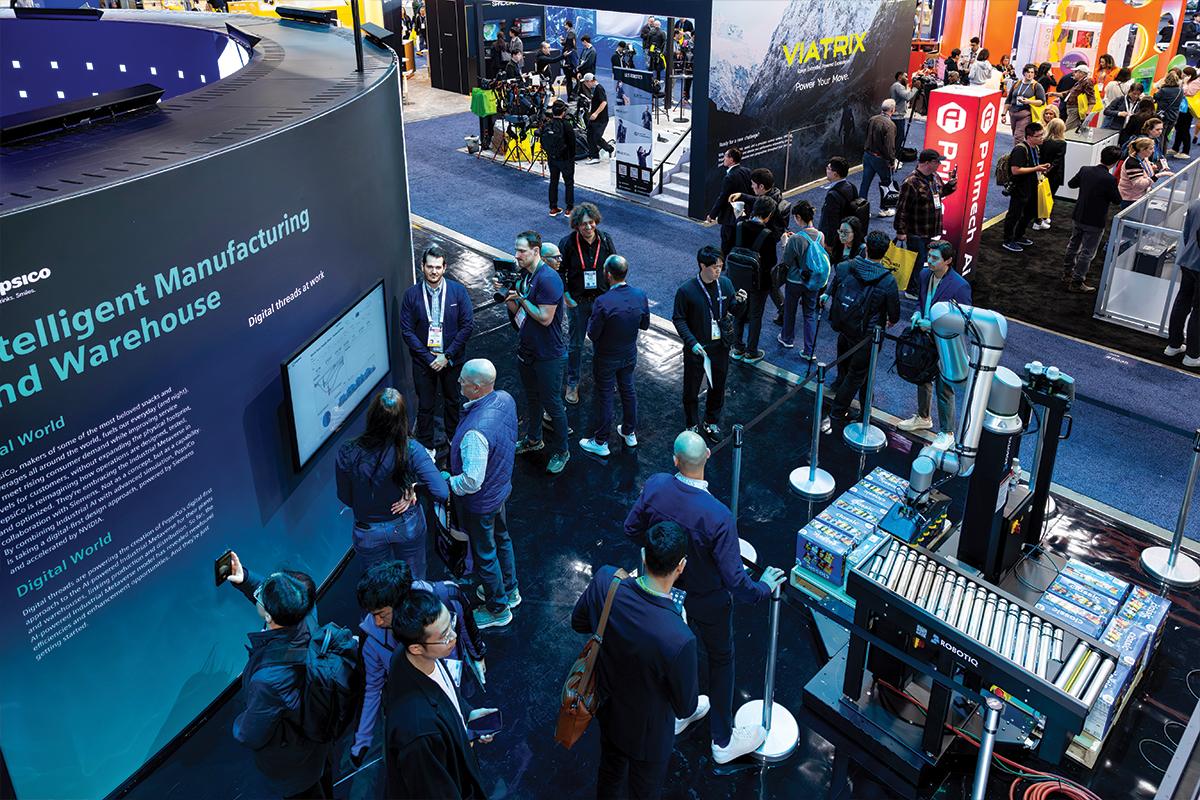
Exhibitors aren’t just occupying square footage. They’re one of the most trusted sources of learning attendees have at a show.
Exhibitors are already teaching, whether they mean to or not
Attendees value conversations at the booth just as much as the learning they get from a keynote.
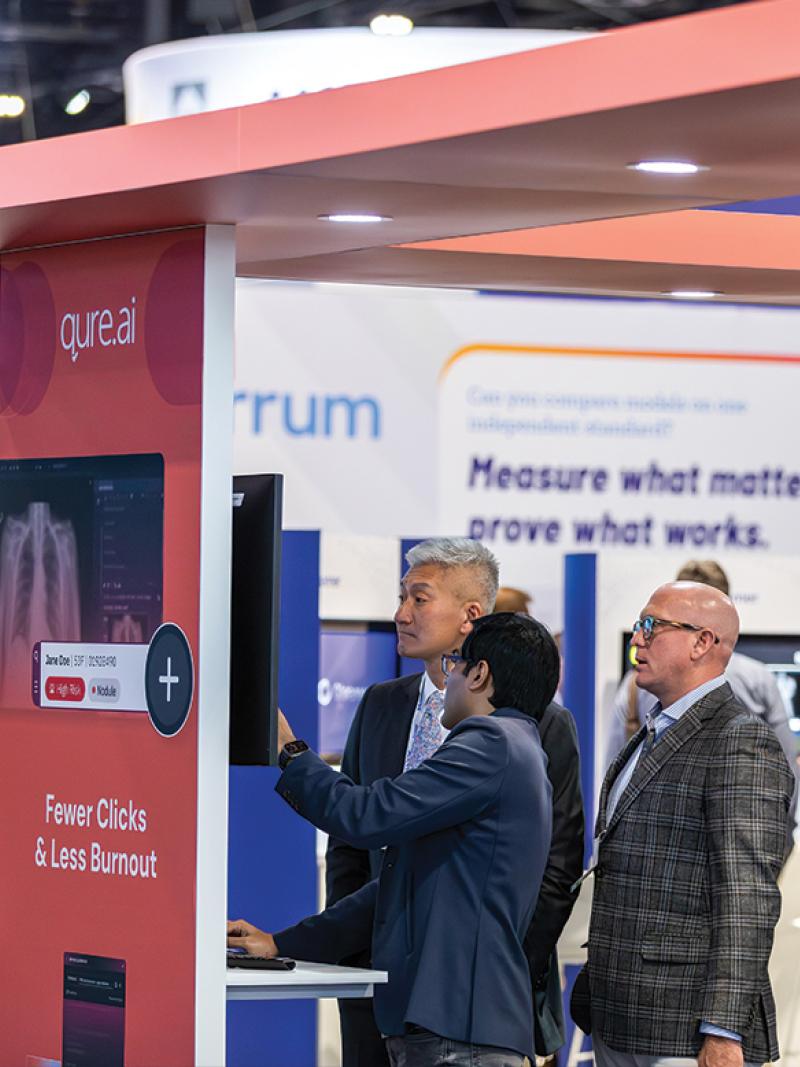
Why? They see booth experts as peers more than someone pitching a brand.
What earns that trust isn’t usually a prize wheel or a passport challenge on their own, though those can still play a role in engagement. It’s a hands-on demo. It’s a real conversation with someone who knows the product.
Data shows that attendees are just as likely to sit down for a session led by an exhibitor’s own expert as one led by an outside industry voice.
What attendees want from that expertise is something they can actually use, not a brochure, something they can bring back to work on Monday.

What exhibitors as experts means for the show you’re planning
If exhibitors already hold this kind of credibility, the job in front of organizers isn’t to manufacture more expertise. It’s to build more places for the expertise already in the building to show up.
That starts on the floor itself. A demo stage or a floor-based theater gives exhibitor knowledge a format, instead of leaving it to chance encounters between booth visits.
It continues in the session rooms. Curating a spot for an exhibitor’s expert alongside independent industry voices doesn’t cost credibility with attendees.
Sponsorship doesn’t change that. Most attendees will still show up for a sponsored session if the topic is relevant, and being upfront about who’s behind it costs less trust than organizers assume.
None of this requires new infrastructure or a bigger budget. It requires treating the floor, the stage, and the exhibitor relationship as one connected system instead of three separate line items on a planning document.
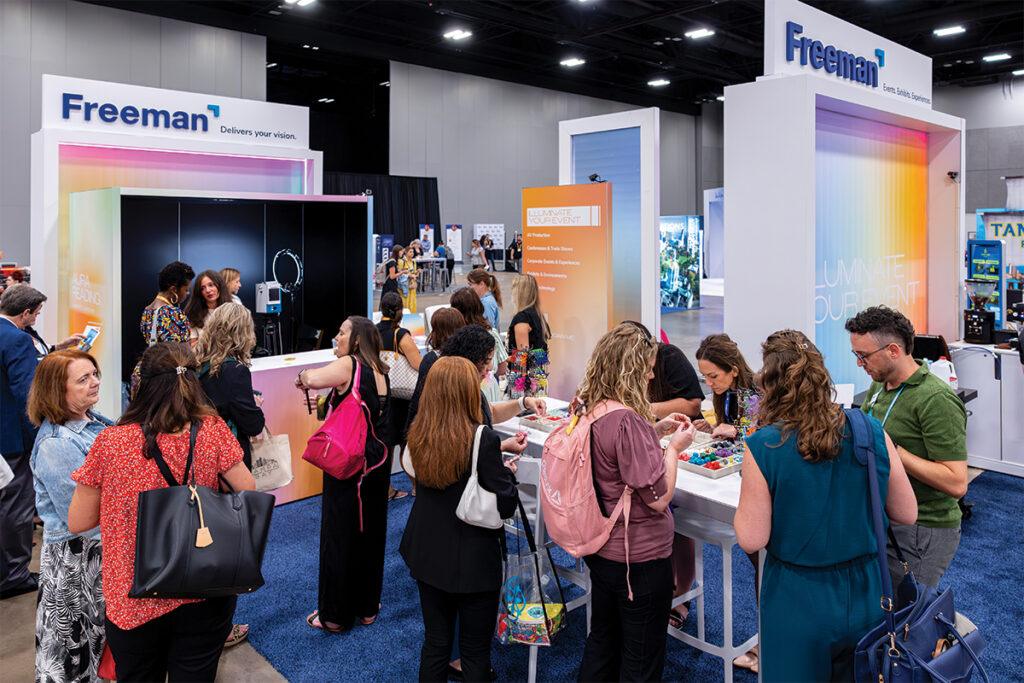
How exhibitor learning shows up throughout your event
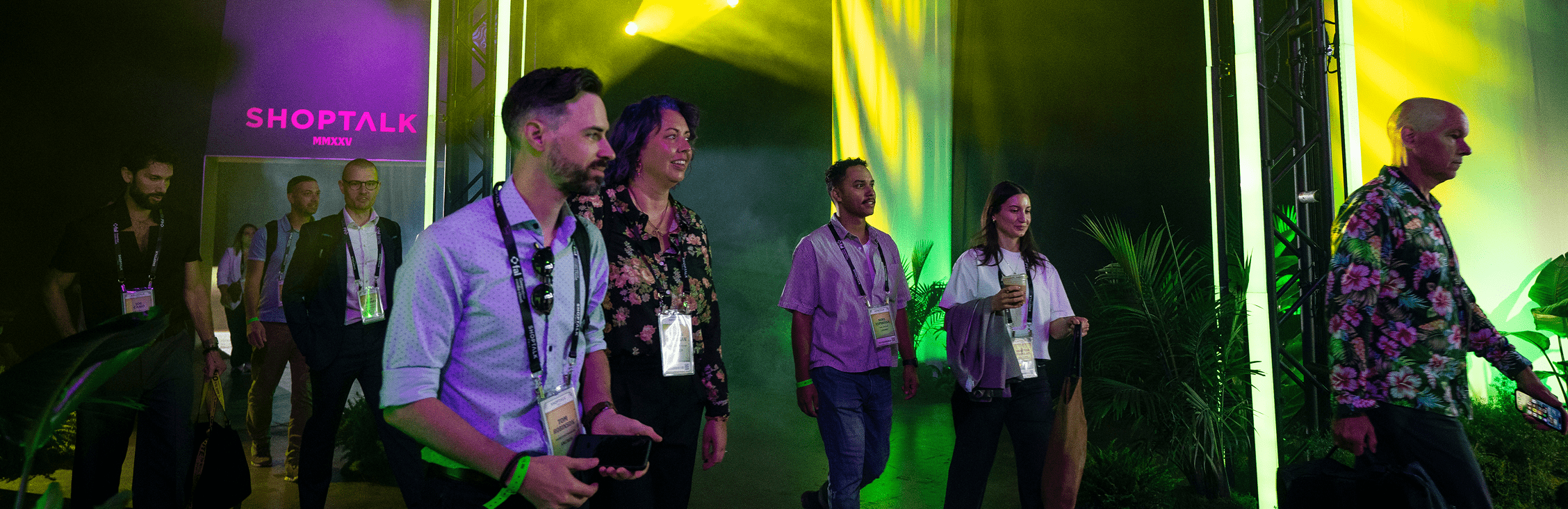
Attendees don’t experience a show as a single moment. They move through exhibit halls, sessions, and activations all day long. And each one is a chance for planners to show up as a resource for exhibitors.
Here’s a guide you can share with your exhibitors that shows the best ways to connect with audiences at different touchpoints along the attendee journey.
Ready to transform your next event?