How AV Enables Planners to Deliver a Better Learning Experience
Event planners spend months perfecting every detail of a conference: the venue, the schedule, the speakers. But when it comes to whether attendees actually learn something, the AV setup can make or break the experience.
AV isn’t just a technical backdrop. When designed intentionally, it’s one of the most powerful tools planners have to personalize learning, drive engagement, and extend an event’s reach far beyond the room.
The personalization powerhouse
Every attendee walks into a session with different background knowledge, different learning styles, and different goals. Traditional event formats rarely account for that. AV technology is changing what’s possible.
Tech that captures stage presentations paired with analytics have the power to reveal where audiences tune out, which moments generate the most questions, and how comprehension tracks across a session. Tools like attention analytics platforms give planners and presenters real-time feedback loops they can actually act on, not just post-event survey scores.
Beyond data collection, AV systems can empower attendees to experience content on their own terms: switching camera angles during a demo, accessing live captions and transcripts, or revisiting a recorded session at their own pace.
This puts attendees in control of their own experience, determining how they receive and process the content — making it more memorable.
The transformation from environment to engagement
Passive learning has a short shelf life. Research consistently shows that attention begins to drift after roughly ten minutes of uninterrupted lecture-style delivery. AV technology, when integrated into session design from the start, is one of the most effective antidotes.
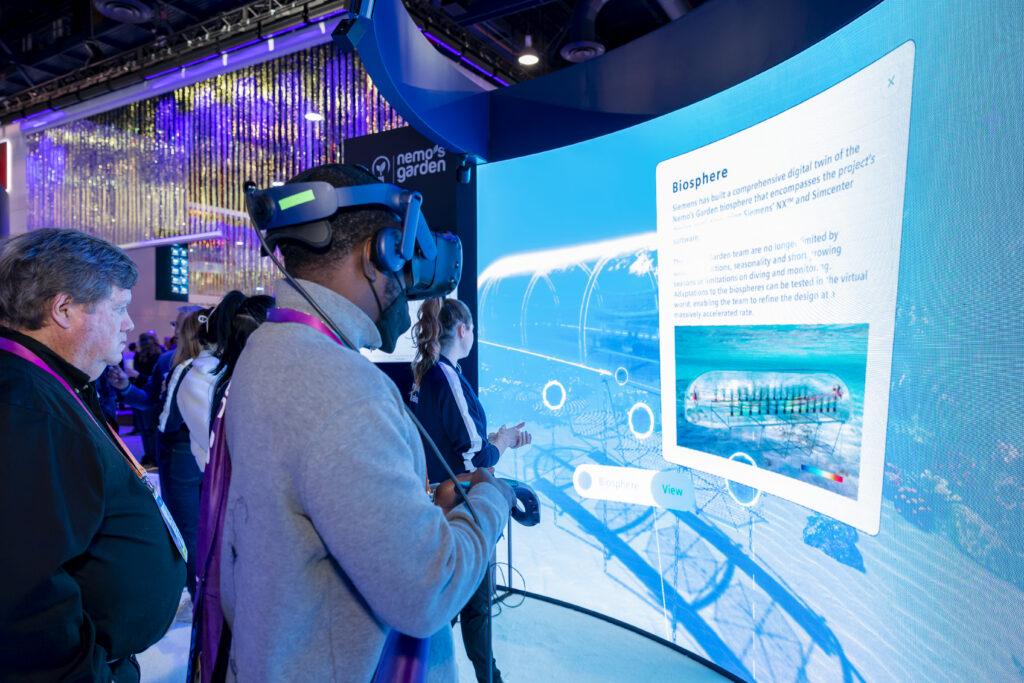
Gamification elements like leaderboards, live polling, and knowledge checks shift attendees from observers to participants. Extended reality (XR), augmented reality (AR), and virtual reality (VR) take that a step further, turning lectures and slide decks into spatial and embodied learning experiences.
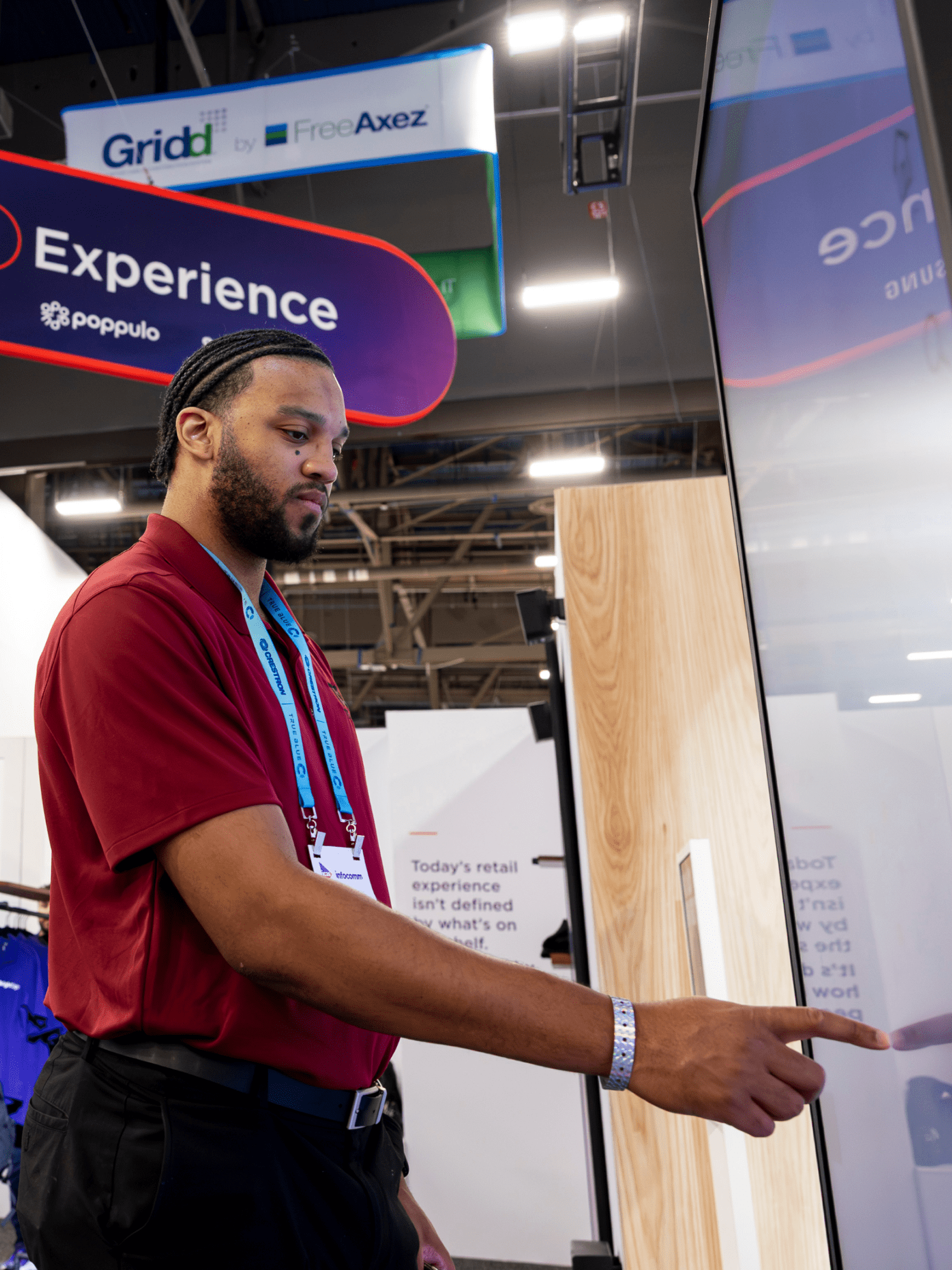
Interactive displays and collaborative digital environments also help transform traditional classroom-style setups into participatory spaces. When audiences can contribute in real time, annotating a shared screen, responding to a live scenario, or building on each other’s ideas, learning becomes collaborative and interactive rather than a one-direction transfer of information.
The scalability that breaks barriers
One of AV’s most strategically underutilized advantages is its ability to extend a learning experience beyond the walls of a single session. Incorporating a networked, cloud-managed, and/or software-inclusive AV infrastructure makes it possible to deliver consistent learning experiences across multiple breakout rooms, satellite campuses, or hybrid audiences joining remotely.
Think festivalization.
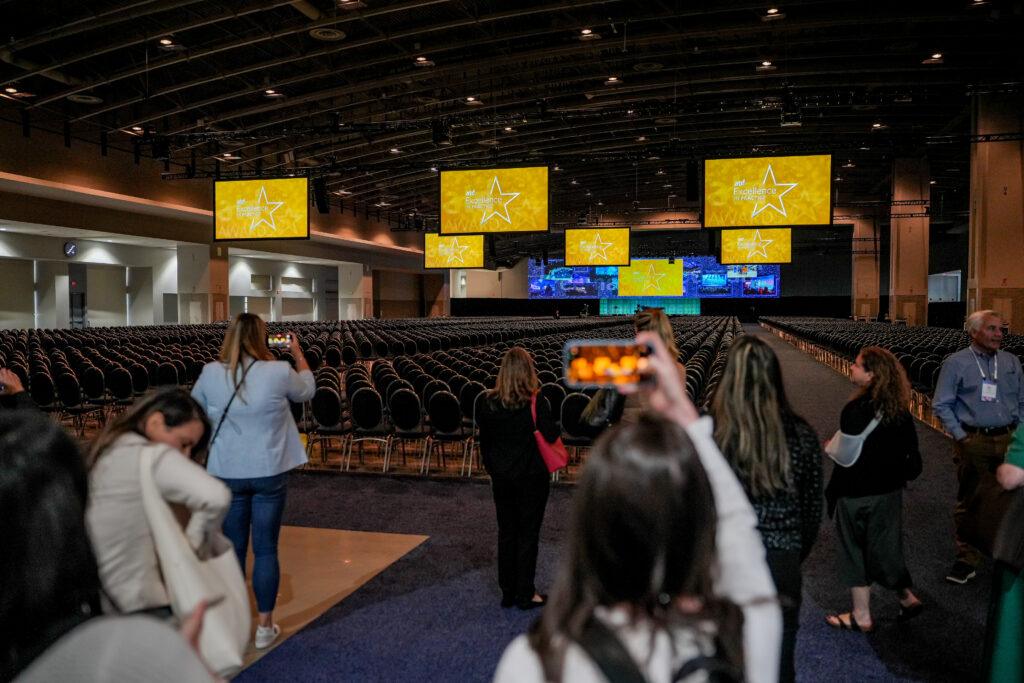
For planners managing large-scale events or multi-site organizations, this scalability is significant. A keynote delivered in the main hall can be simultaneously broadcast with synchronized slides and captions to overflow rooms or remote participants, without a degraded experience.
Recorded sessions can be enhanced with AI-generated bookmarks, chapter markers, and searchable transcripts, giving viewers an on-demand learning experience that mirrors the live one more closely, and an experience that can be referenced long after the session ends.
This connectivity also supports data-driven educational design. When AV systems are integrated with event apps and registration platforms, planners gain a more complete picture of how attendees are moving through a program, which sessions are resonating, and where gaps in the learning journey exist.
Make AV a planning partner, not an afterthought
Research that included both planners and attendees found that they prioritize new ideas and approaches that can be put into practice.
This means planners have an opportunity to go beyond traditional event sessions and design learning that sticks more insights on the future of adult learning at conferences and tradeshows in our latest Trends Report.
Learning can be positively impacted by things such as room configurations that support discussion versus lecture-style education, lighting to positively affect attention, sound design to shape emotional tone, innovative technology that layers into the experience without overwhelming a presenter or distracting audience.
Because, with the right AV production, audiences are empowered to experience content in memorable ways that keep them coming back to your show.
Ready to deliver a better learning experience?