Now Serving: 10 Standout Insights from Inside LIVE at The Restaurant Show
Ideas to make planning intentional and build stronger connections with audiences
What You’ll Learn:
- How attendee psychology should shape event design decisions, from show floor layout to session content
- Why growth hides in audience segments, not total registration numbers
- How to build agility and sponsorship strategy into your event plan from the start
- What separates content that inspires from content that actually gets applied back at the office
At this annual Freeman learning event tailored for marketing and event pros, attendees explored how immersive experiences, collaboration, and curiosity turn inspiration into action.
Applying the Freeman Intelligent Innovation approach, we designed this event with intention across every activity and moment. From show floor design to sponsorship strategies, attendees found fresh ideas for delivering better experiences and outcomes.
Here are ten insights from the ILatTRS that you can implement today.
1. Experts over celebrities
Research revealed there’s a major disconnect between organizer assumptions and attendee preferences. Most attendees prefer industry experts who provide practical, applicable information over celebrity keynote speakers with little relevance.
2. Growth comes from segmented analysis
Marketing gaps and opportunities emerge when organizations shift focus from total registration numbers to examining audience segments, channels, drop-off points, and first-time attendee behavior.
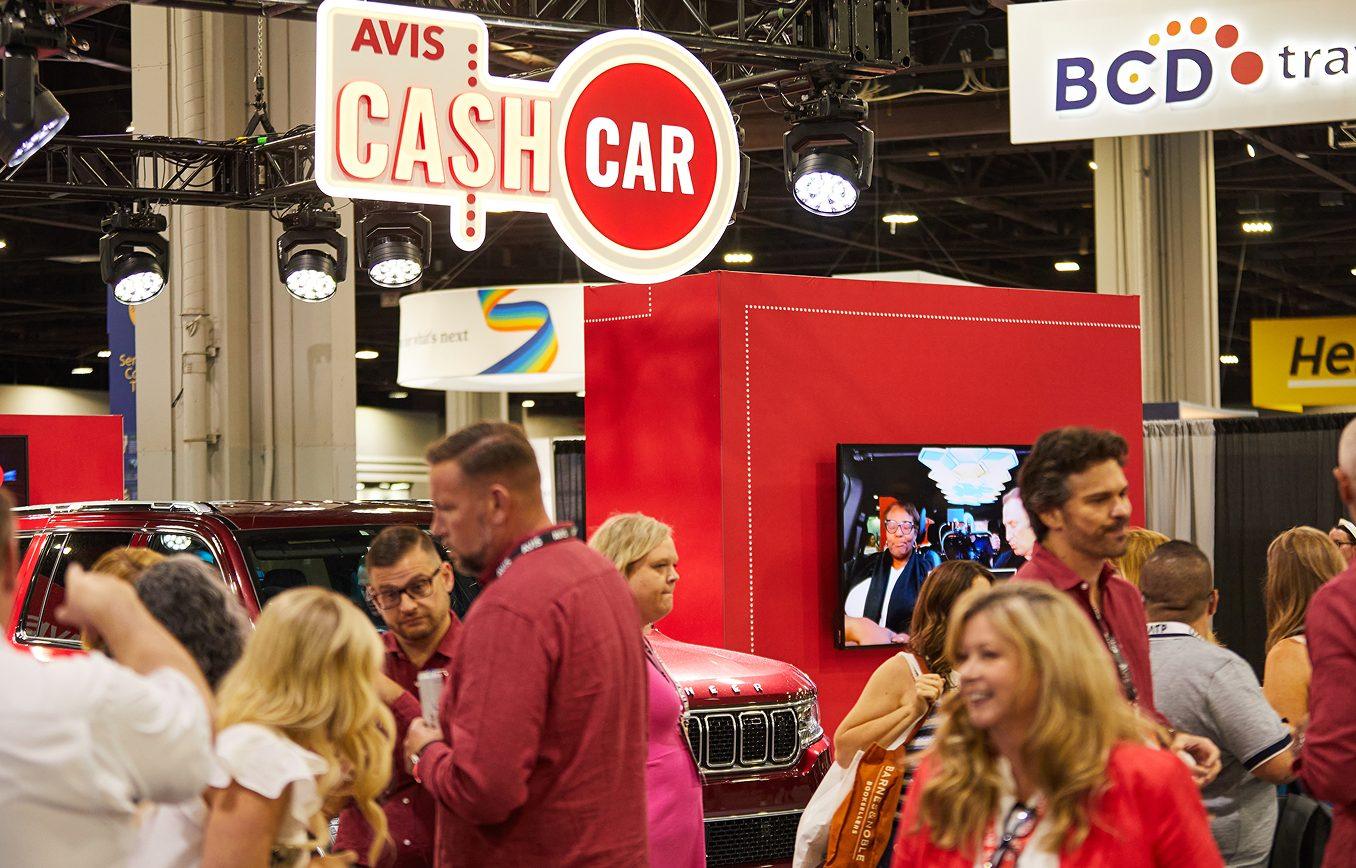
3. What attendees actually feel when they walk a show floor
While organizers think about floor layouts logistically, attendees experience them emotionally. Shift your planning question from “Where will this fit best?” to “What should attendees feel, need, and discover next?”
“Everybody wants property at the ocean. So our goal for the event is to provide value across the floor plan experience. We created what I call inland golf courses. When people can’t be on the ocean, it’s nice to be on the golf course.”
—Christie Kim, Sr. Creative Director, Freeman
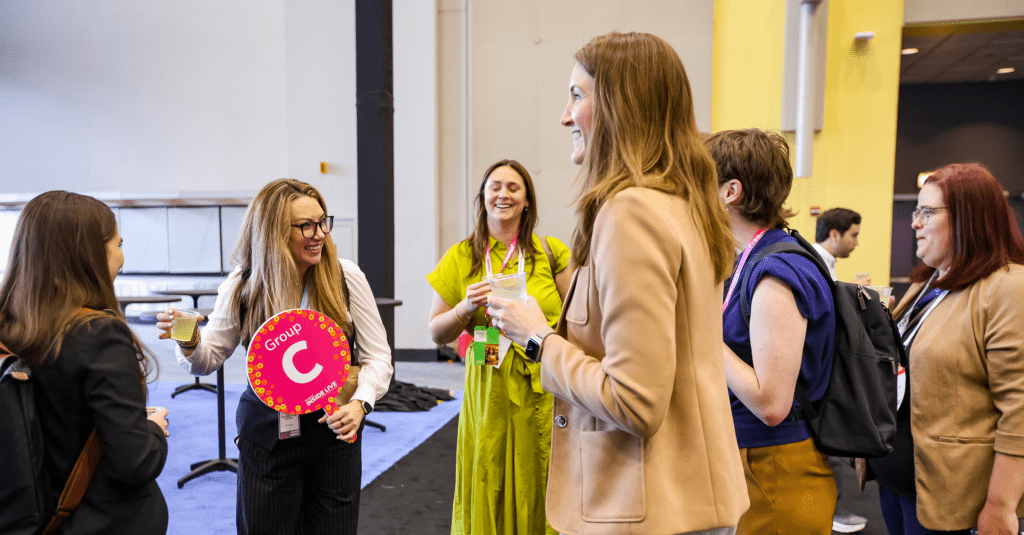
4. Content at your event should lead to action
The gap between inspiration and impact is action. That value only comes when ideas turn into concrete decisions and changes back at the office. When planning education content, weave in practical insights attendees can easily apply.
5. Look and explore outward during uncertainty
“In times of economic stress, organizations ‘turtle up.’ They actually shrink their networks and stop reaching out to people in adjacent industries or within the same organization. They do the exact opposite thing research tells us we should do.”
—George Newman, cognitive scientist and professor at the University of Toronto
6. How to question the event traditions you’ve stopped examining
Many event models (networking formats, general sessions, sponsorships, governance structures) exist because they’re familiar, not because they deliver value. Challenge legacy thinking by choosing one tradition-based element and questioning whether it still serves your audience.
7. Guiding attendees through decisions instead of overwhelming them with options
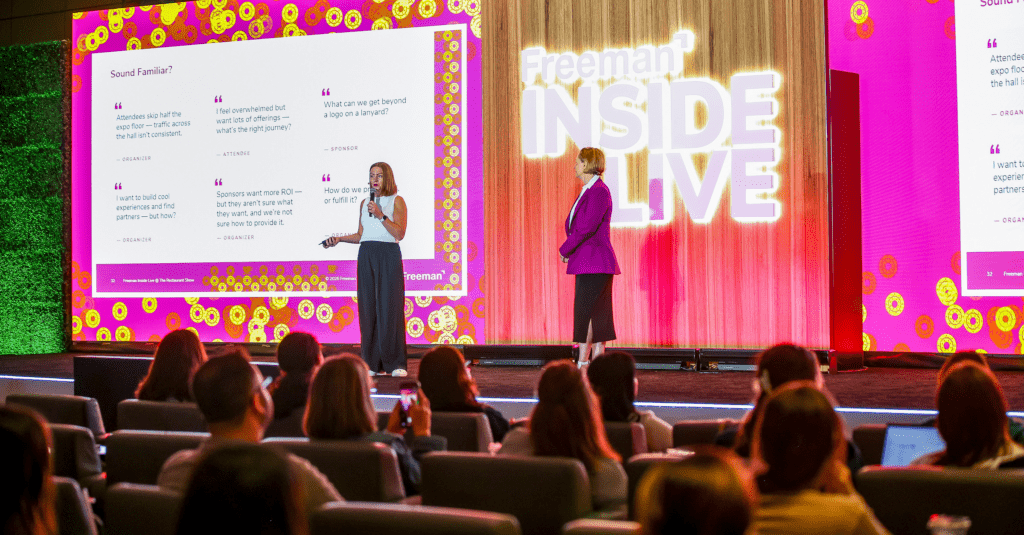
Personalization should go beyond recommending sessions to helping people feel guided through the attendee journey based on their experience level, interests, or behavior.
“We all have a very limited capacity for making decisions. As the host of a party for 50,000 people, what can you do to make sure that no one is having to think to figure something out?” It’s the same for attendees. “Don’t make the journey to the booth a decision they have to make.”
—Molly Witges, Sr. Strategist, Freeman
8. The future of events is built proactively
Event innovation doesn’t happen by waiting for industry changes or focusing on the trendiest tech. It’s built through deliberate decisions and actions that begin with audience insights, data-driven design, and tech that’s actually purposeful. Start with one meaningful change and build on that over time.
9. Building agility into your plan from day one
For event planning schedules, treating flexibility as a fallback is already too late. Building in regular checkpoints and the expectation of mid-campaign pivots (budgets, targets, conversions) avoids reactivity and turns agility into a built-in strategy.
10. How to make sponsorships feel like part of the experience, not an add-on
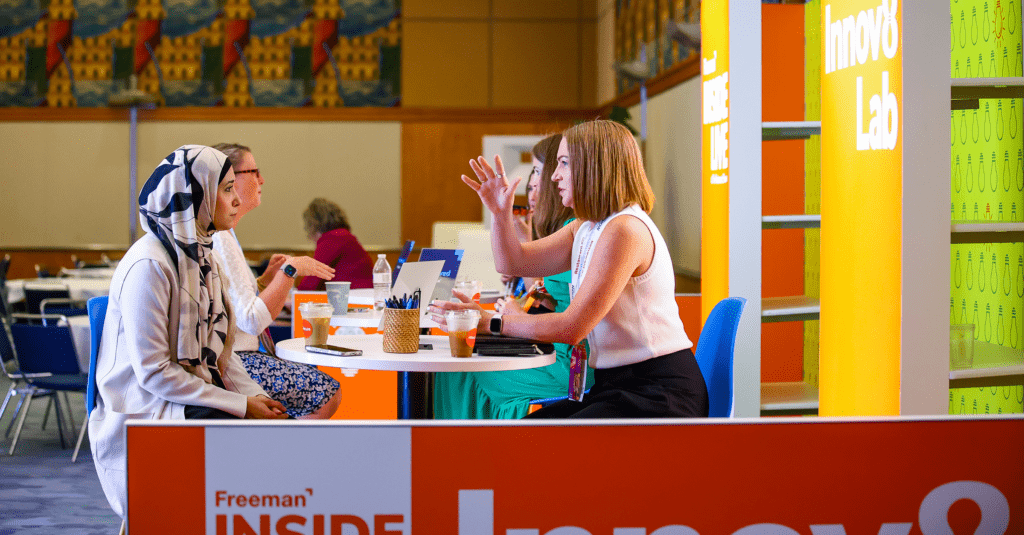
Active sponsorships (rather than passive logos and banners) that are purposefully weaved into the attendee journey create experiences that meet attendee needs and give sponsors a more memorable presence.
What’s the common thread through all of these insights? Intention. A willingness to think innovatively, which doesn’t necessarily mean inventing something new. It means challenging legacy planning to strategically design events based on what connects with audiences at every turn, from sponsorships to floor design.
Get hands on! Practice designing your own show floor, with more insights and tools from Inside LIVE at The Restaurant Show, so every square foot counts.
Ready to plan more intentional events?