Rent or buy your trade show exhibit?
5 questions to help you decide
Planning a trade show booth means making decisions quickly — with budget juggling and a hard deadline. There are many questions needing answers, but here’s the big one marketers face when considering a trade show:
Should I rent a booth or invest in a custom exhibit?
Here’s the honest answer: for most exhibitors, rental is the smarter move. But the real decision comes down to your specific organization and objectives.
What You’ll Learn:
- How flexibility between shows can save budget and improve results.
- Why AV and booth design need to be planned together from the jump.
- Why renting a booth can simplify planning; it offers more customization than you think.
- How to choose partners that streamline your exhibit planning process.
Here are five key questions to help you make the right decision for your organization and goals.
1. How often do you exhibit and does your setup change?
Ownership makes financial sense when your footprint, messaging, and strategy stay the same year after year. That’s a narrower situation than it sounds. Brands evolve. Products launch. Audiences shift.
And the full cost of owning a booth is bigger than the sticker price. Factor in:
- Storage and shipping
- Maintenance and show-wear repairs
- Refurbishment when your brand evolves (and it will)
If you’re not certain your program will stay stable for several years, a rental lets you build that certainty before locking anything in.
2. Does your booth need to flex between shows?
This is the flexibility question — and one of the strongest arguments for renting.
With a rented booth, you can:
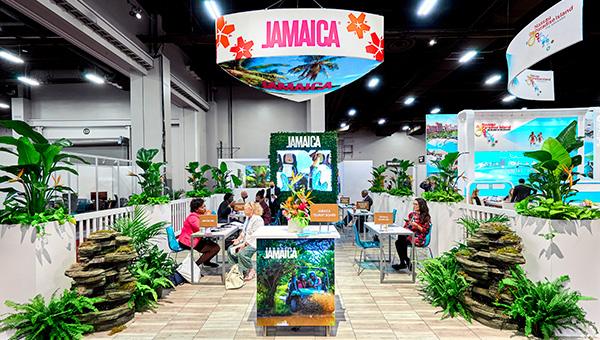
- Reconfigure your layout for different venues or audiences
- Swap graphics and messaging mid-year without extra cost
- Test what actually draws people in before committing to a design
It’s also a lower-risk way to figure out what your booth actually needs. Many exhibitors discover through renting that their initial thoughts were off — a feature they thought was essential didn’t perform, or a layout they hadn’t considered worked better than expected. Renting gives you that data before the investment is fixed.
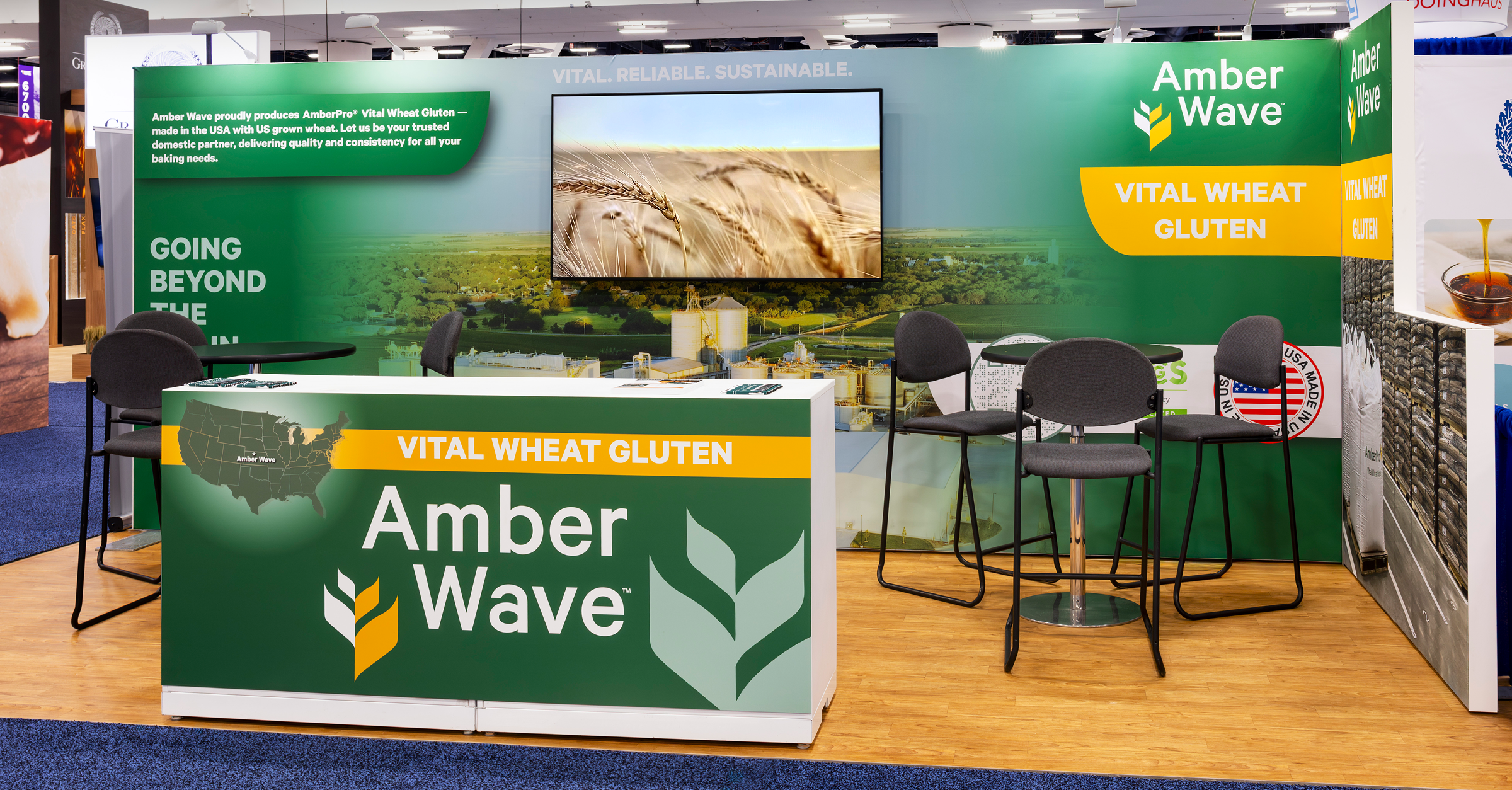
3. What experience are you creating in the booth?
Start with your goals and how that can translate into the in-booth experience, then work backward to determine the structure and what elements are needed to support those goals:
- Are you running demos?
- Hosting conversations?
- Creating a moment people want to share?
Every scenario has layout implications — and most are very achievable within a rental footprint. Need to include a mix of all three?
Work with your exhibit partner to create layout options based on your goals.
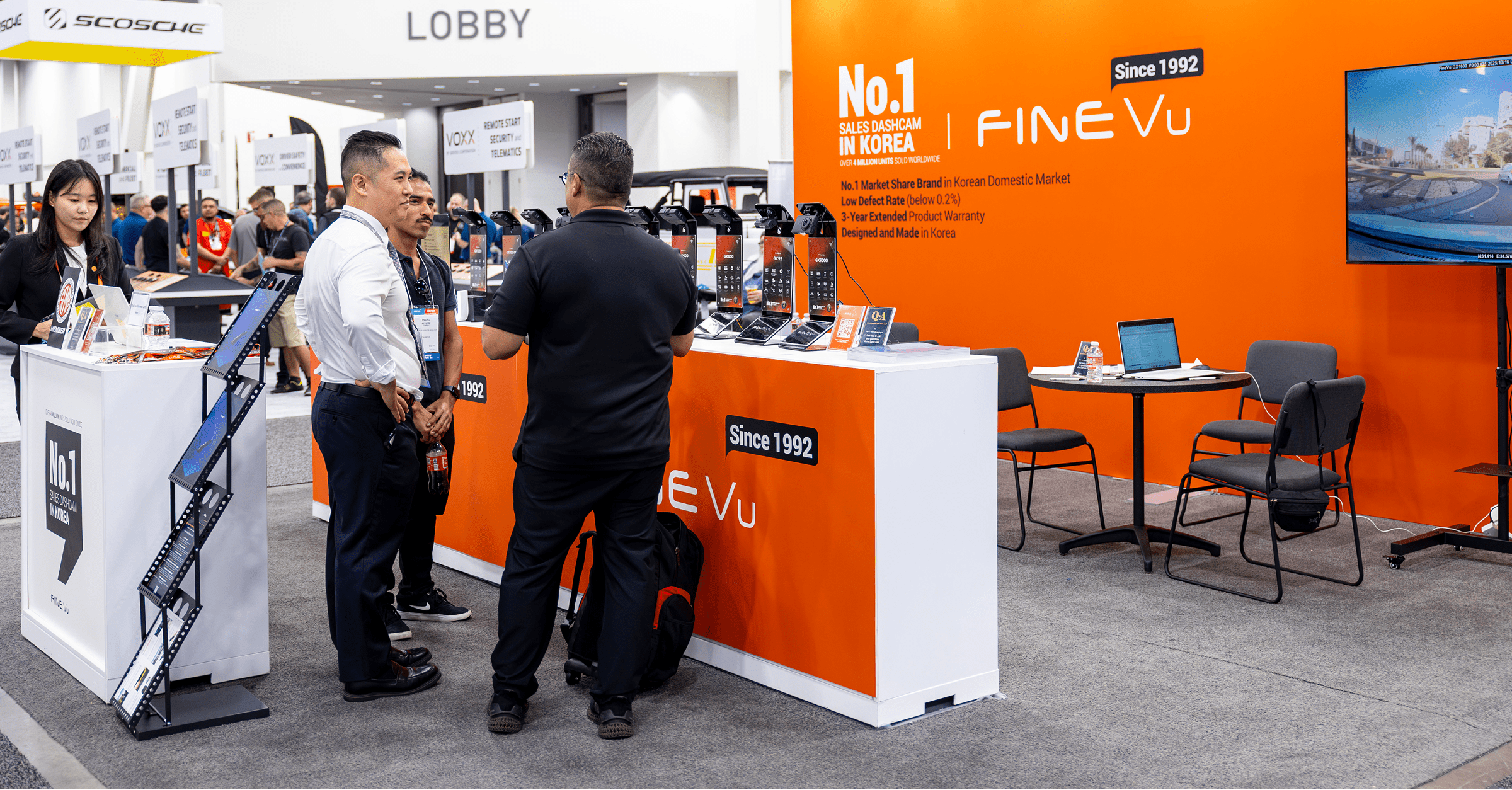
Hosting conversations is part of exhibiting, but what about deeper convos? You don’t need a private room to connect. You just need to provide a reason (and a comfy seat) for someone to pause. The right furniture and layout can create that opportunity.
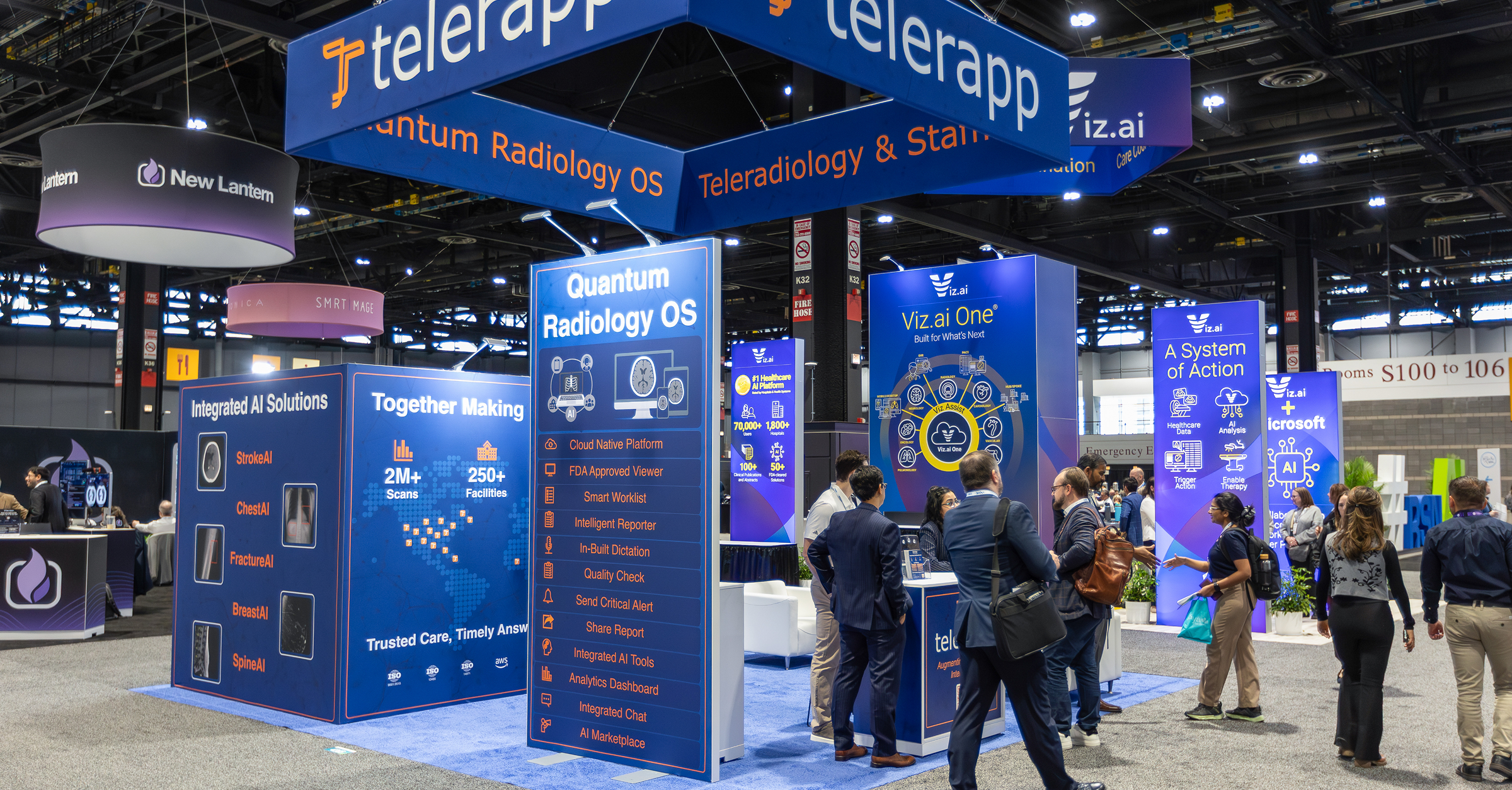
4. Do you already own exhibit materials? Are they still effective for your goals?
If your organization has existing booth assets, the question isn’t whether to use them. It’s whether they’re still serving a purpose.
Ask honestly:
- Does the structure reflect where your brand is today?
- Has show-wear accumulated to the point where it’s doing more harm than good?
- Are you adapting your strategy to fit something you already own, rather than the other way around?
Owning something that no longer fits isn’t an asset — it’s a constraint. A rental configured for your current needs will often outperform an older structure that requires compromise. If your materials are in good shape, ask whether targeted updates — new graphics, upgraded AV, a reconfigured layout — can make the existing pieces feel current (and achieve your goals) without a full replacement.
Either way, start with what the booth needs to accomplish: demos that convert, conversations that go somewhere, a moment people remember. Every structural and technological decision should lead to one of these outcomes.
Pro Tip: Integrate your booth layout with AV
Highlighting your brand and the in-booth experience with AV (screens, lighting, audio) needs to be part of the design from day one. Integrated tech looks intentional, not squeezed in or slapped on after the fact.
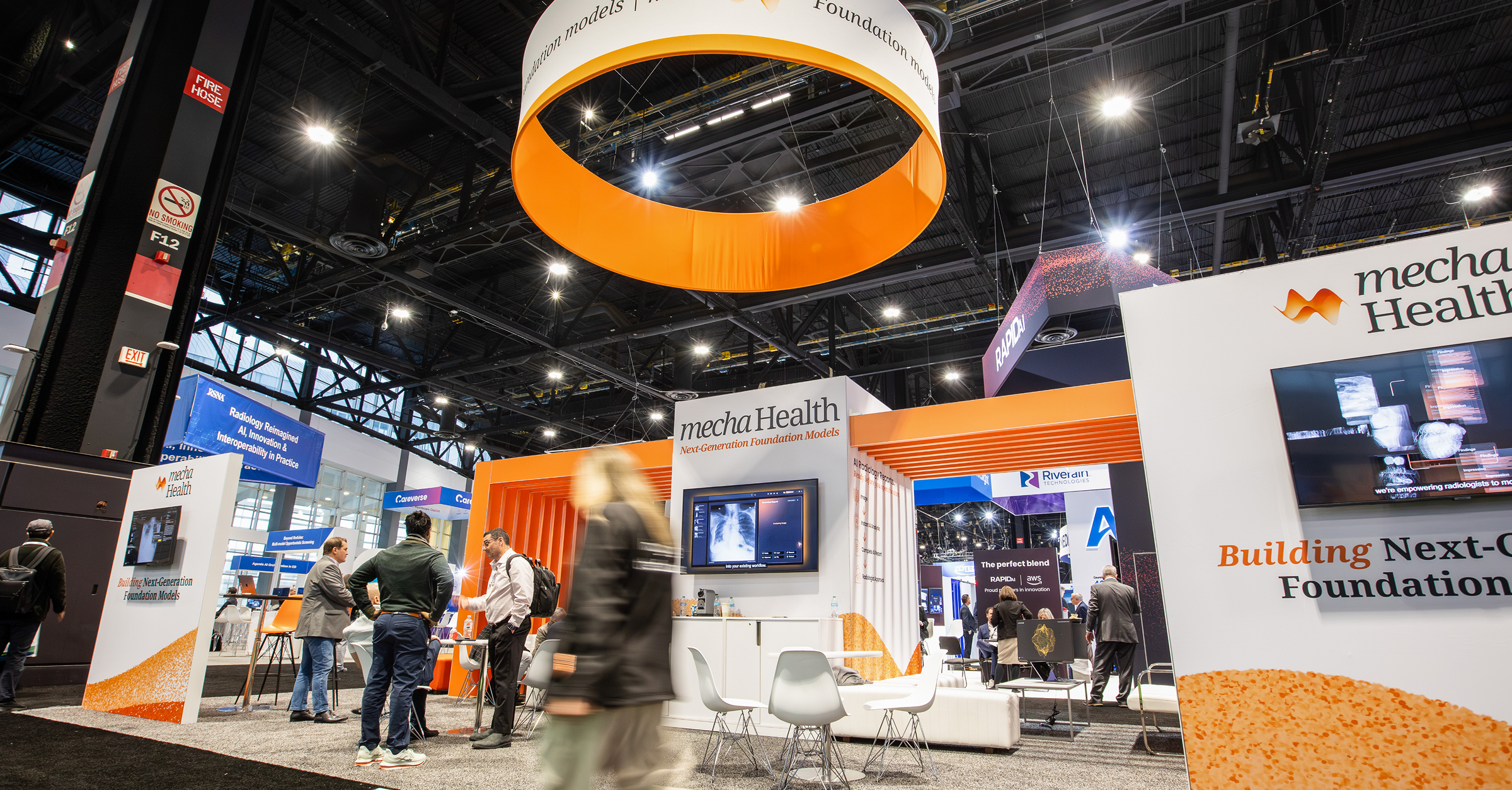
5. How do you want the planning process to feel?
This one doesn’t make most exhibitor checklists, but asking this question matters.
Managing a trade show means juggling exhibit design, AV, transportation, graphics, and on-site logistics — often across different vendors with different deadlines.
When those pieces are connected through one partner, fewer things fall through the gaps. There’s one person to call. One plan that accounts for all of it. For exhibitors without a dedicated events team, that coordination makes a huge difference.
It’s worth deciding upfront what kind of experience you want — and building your partner list accordingly.
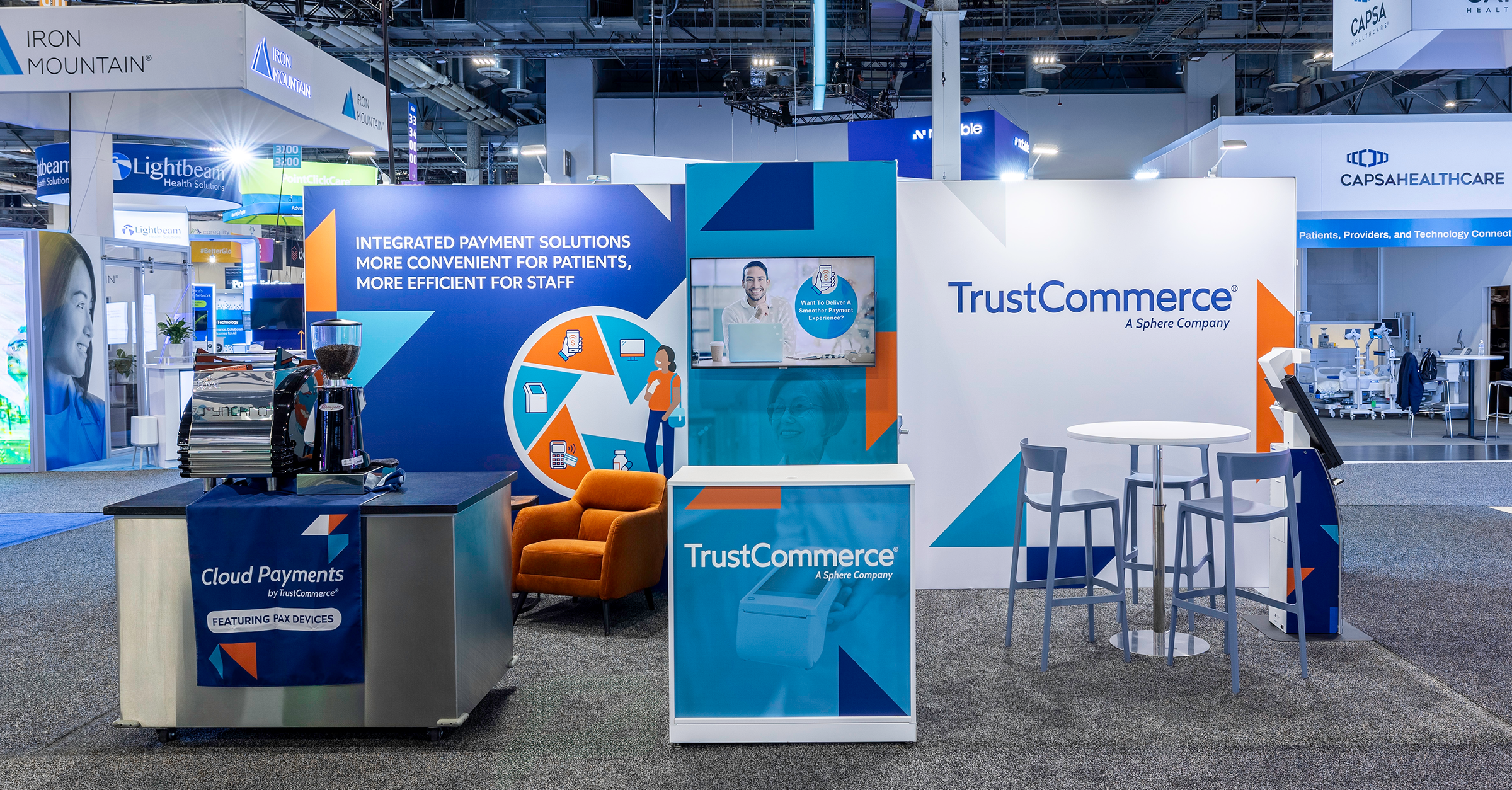
Ready to figure out what your next booth needs?
We work with exhibitors at every stage — from first-time shows to full program overhauls and everything in between. Our exhibit experts help you build a plan (and find the best rental solution) that fits your goals, your schedule, and your budget.
With the right plan, partner, and booth, you’ll be on the road to trade show success.
Renting flexes with your brand. See if it’s right for you.