5 Mistakes I Made as a Conference Leader (And What I’d Do Differently Now)
By Megan Finnell, Senior Director, Strategy & Insights, Freeman
As seen on LinkedIn February 19, 2026
I’ve been on Freeman’s Strategy & Insights team for two years now, but I spent my entire career before that on the planner side, from a newbie planner in a small association management company to an experienced associate vice president of events.
Since joining Freeman, working with a wide array of organizations and seeing so many different event strategies up close, I’ve realized I made some real mistakes as a conference leader, and there are definitely things I would do differently now.
Here are five of those situations that stand out to me:
1. I leaned into my own preferences
I have a background in theater, music, and production, so I LOVED a big, flashy general session stage. We devoted nearly half of our total AV budget to a space used once a day, which meant under-investing in the rest of the experience.
I’ve since learned that while general sessions are fun, attendees do not care nearly as much about the glitz as I thought they did. Attendees prioritize hands-on experiences, subject-matter experts, and the ability to meet the objectives that justified their trip, and a spectacular production is rarely one of those objectives.
What I’d do differently now
I would start with the attendee journey, looking at what attendees value most and funnel more money into those elements.
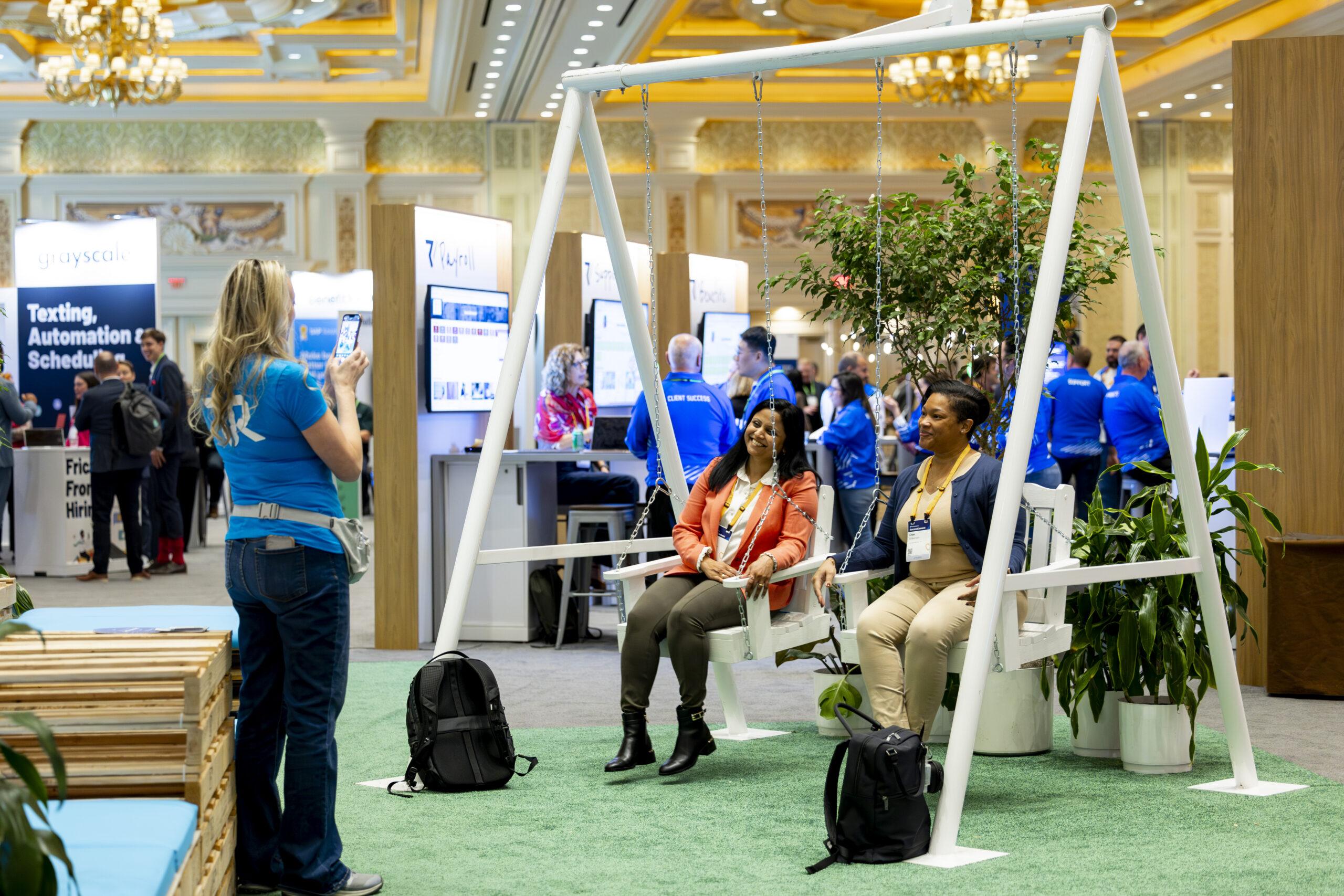
2. I left networking to chance
Research from Freeman and our clients shows that attendees do not want to figure out networking on their own. They want organizers to help them find “their people” through interactive learning, tackling professional challenges together, and connecting as humans around personal and shared interests. While fun parties still have a place, they do not create the kind of lasting, meaningful relationships attendees are actually craving.
What I’d do differently now
I would design for connection with intentional formats, clear prompts, and experience resources that make it easier to meet the right people.
3. I relied too much on speaker lectures and slide content
I understand why so many programs default to lectures. Volunteers are the presenters, they are busy, and asking them to create truly interactive content can be a big lift. Attendees still appreciate strong, topic-driven sessions, but what they value most are opportunities to interact with each other, engage with the content, and learn by doing.
What I’d do differently now
Designing for that is more complex than a slide deck and a podium, but if we want sessions that change behavior and outcomes, we have to invest in formats, coaching, and tools that support more active learning and keep pace with trends.
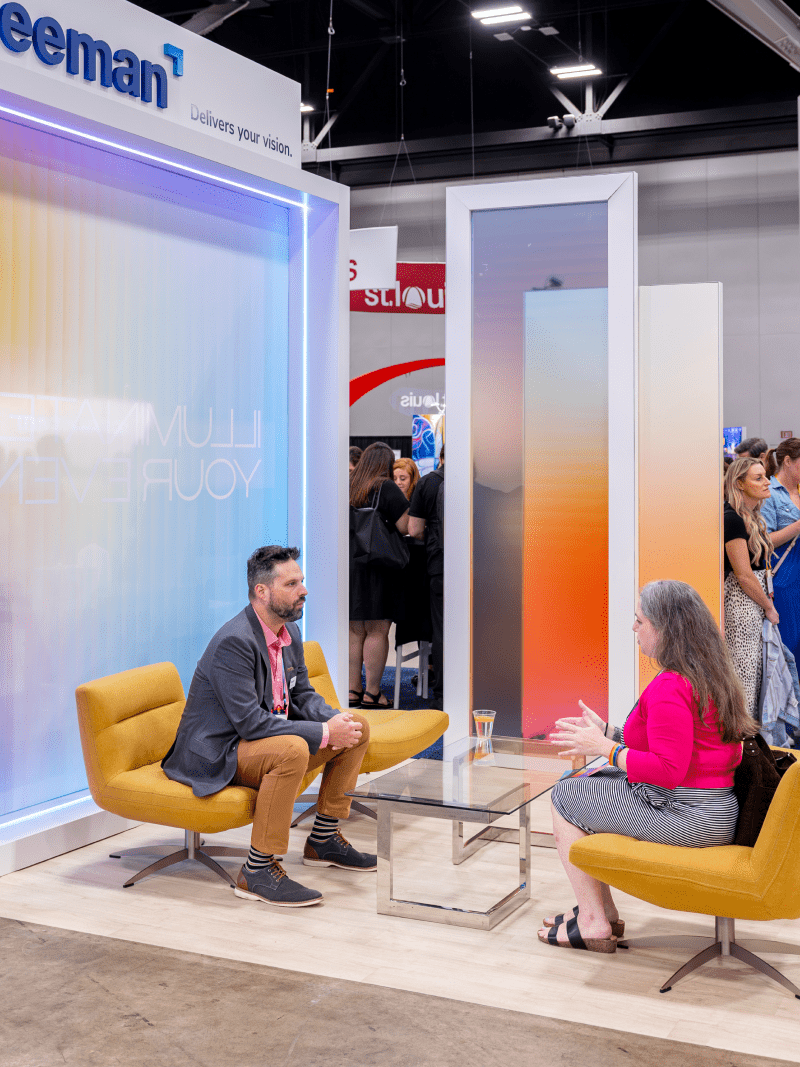
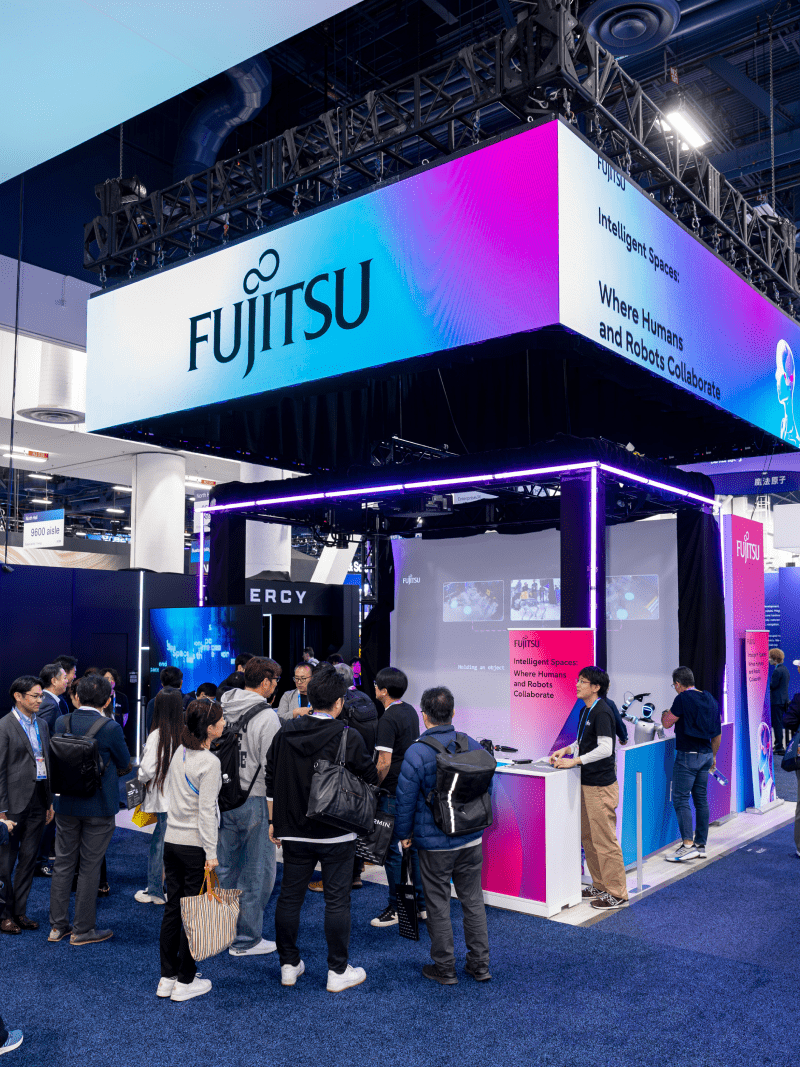
4. I left exhibitors on their own
In the last two years, I have seen how much exhibitors shape the overall trade show experience, right alongside organizers. Attendees consistently tell us they want access to subject-matter experts and hands-on interaction with products and services on the show floor. They want to touch, see, feel, and truly experience what exhibitors offer, not just walk past another branded backdrop.
What I’d do differently now
I would not leave the exhibit hall or attendee journey to chance, and instead intentionally plan. I would partner closely with exhibitors, share attendee insights with them, and help them design meaningful, interactive moments within their booths.
5. I strategized in a vacuum
When I was an in-house director for a large association, we did some strong data-driven work that informed our decisions. We let the data drive major changes, and I am still proud of our team and of that discipline.
What I did not do enough of was looking outside our own four walls and learning from my peers. Now, working with clients that range from small associations to 100,000+ person tradeshows, I see smart experiments happening everywhere.
What I’d do differently now
So many of us are wrestling with the same challenges, so I would be much more intentional about connecting with other meeting leaders, sharing what we were trying, borrowing great ideas in return, and applying those to my planning strategies.
The bigger lesson
I am genuinely optimistic about our industry. We are getting better at being data-minded, paying attention to crucial generational shifts, and evolving what conferences can and should be.
Ready to have a better planning experience?