From Data to Design: How Inside LIVE at The Restaurant Show Brought the Freeman Trends Report to Life
Inside LIVE at The Restaurant Show (ILatTRS) was one-and-a-half days of immersive learning for event professionals where every session, speaker, tour, and even the evening reception was intentionally designed.
Built as a learning experience, ILatTRS reflected the latest Freeman Trends Report that focuses on the (L)earning portion of the XLNC framework, diving into how attendees learn, where events fall short, and what organizers can do differently.
So how did ILatTRS bring the Trends Report to life? Let’s find out.
The research said: stop lecturing, start designing.
Attendees spread their ideal learning preferences across formats: lectures, hands-on participation, facilitated workshops, demonstrations, and panels. Events need variety, not a single dominant mode.
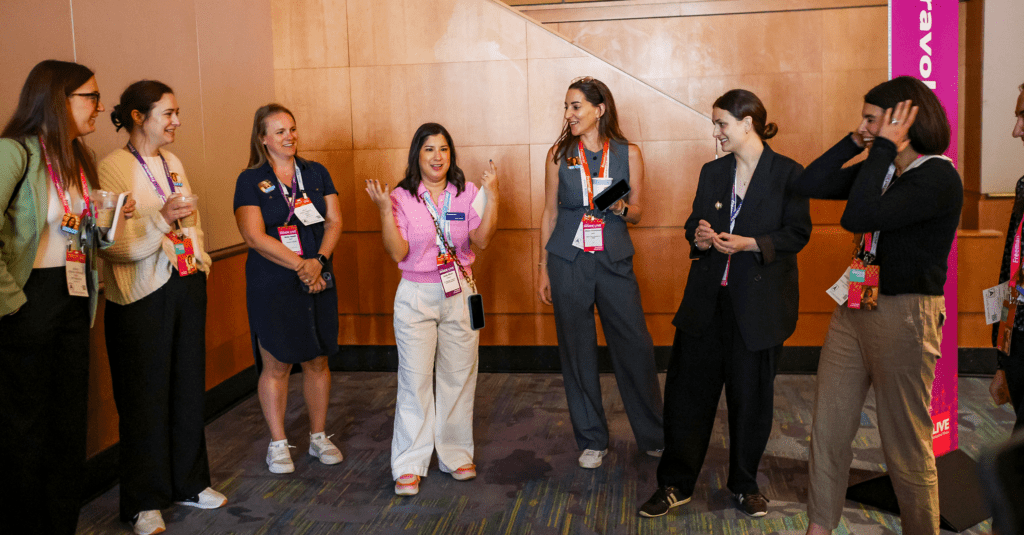
The ILatTRS experience: No two sessions at ILatTRS felt the same. Attendees moved through keynote-style presentations, actively participated in small-group Expert Exchanges with Freeman strategists, and walked expo floor tours using Silent Theatre technology.
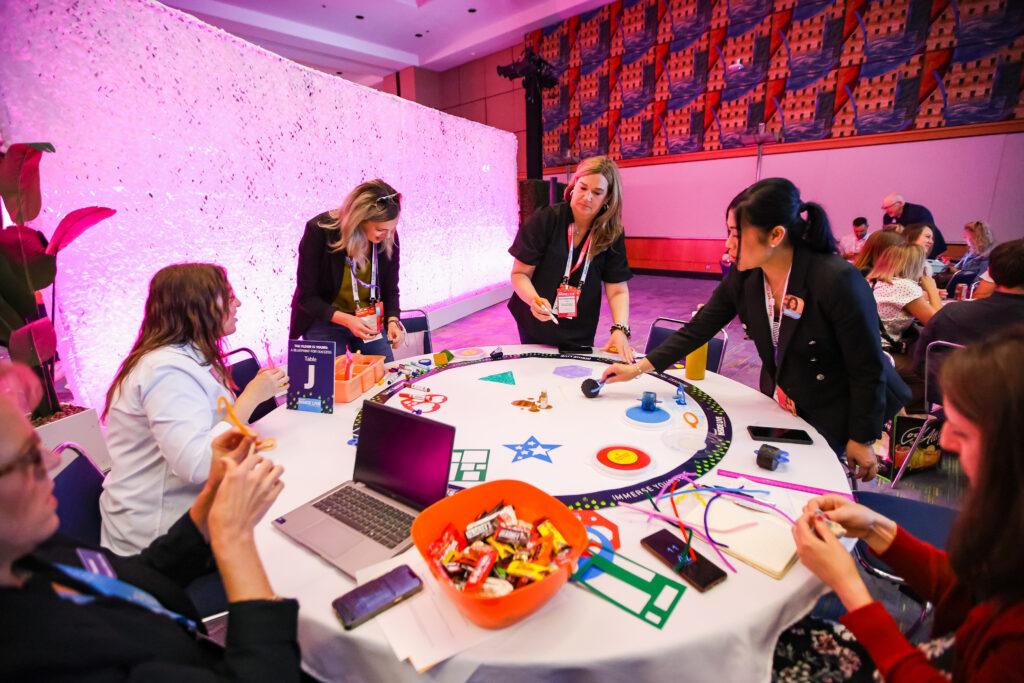
Adding to the experience was a hands-on design lab where participants practiced building mock show floor plans using giant blueprints and creative supplies.
The research said: industry experts beat celebrity speakers, every time.
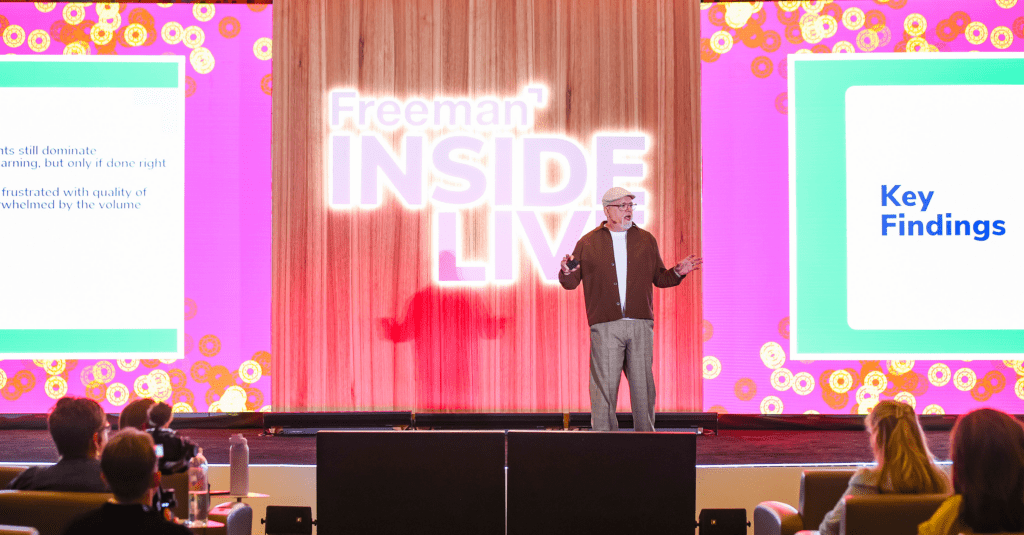
Fifty-nine percent of attendees prefer industry expert keynotes. Only 6% want celebrities.
The ILatTRS experience: The speaker lineup was built on expertise. George Newman, Associate Professor at the University of Toronto and cognitive scientist, brought the science of creativity to the stage. Ken Holsinger, SVP of Industry Research and Insights at Freeman, unpacked original industry research on shifting attendee expectations and what organizers need to do differently.
Sessions felt relevant because the people on stage offered perspectives grounded in real experience that attendees connected with.
The research said: real-world application over inspiration alone.
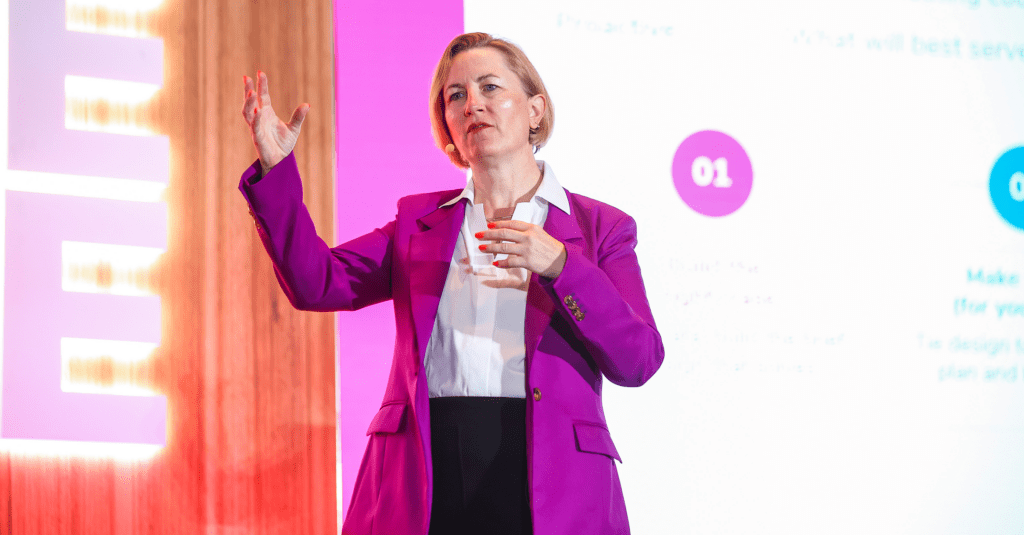
More than 60% of attendees come to events to discover take-home, implementable practices. They need to leave knowing what to do next.
The ILatTRS experience: Ken Holsinger’s “The Power Shift” delivered a direct download of shifting demographics, declining general session attendance, and what organizers must change before 2030.
Christie Kim, Sr. Creative Director at Freeman, and Molly Witges, Sr. Strategy & Insights Director at Freeman, led a session called “Every Square Foot Counts” that had attendees applying wayfinding and sponsorship design principles to their own floor plans in real time.
Kimberly Hardcastle-Geddes, SVP of Strategy at Freeman, closed with “From Aha to Action,” turning two days of immersive learning into actionable items attendees could act on immediately.
The research said: learning and networking are inseparable.
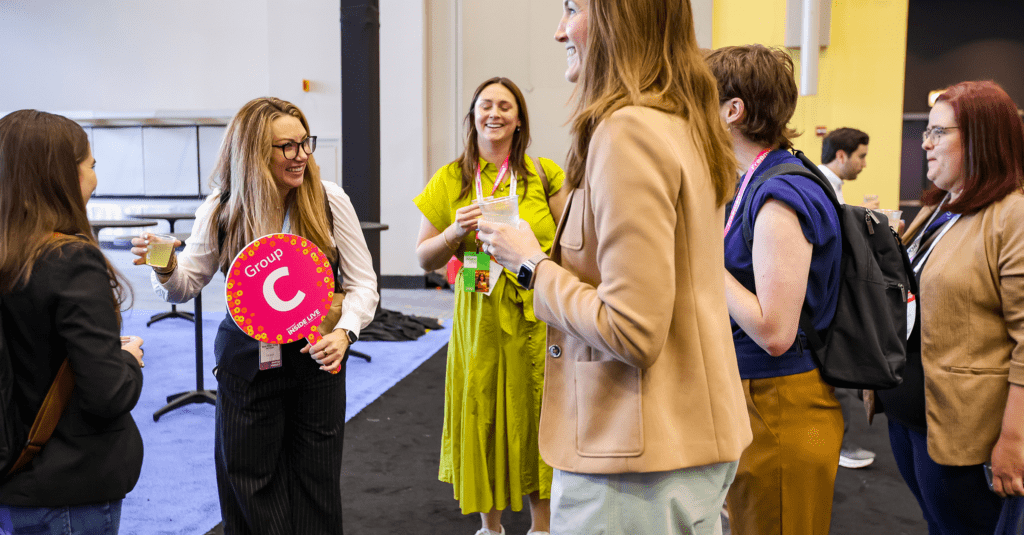
When Freeman asked attendees what they valued most in their learning experiences, the top answer was the ability to connect with others who share common interests and challenges. Networking is learning..
The ILatTRS experience: Opportunities to connect were woven throughout the experience. Expert Exchanges, grouped by topic interest, placed small groups of attendees into guided discussions with a Freeman expert. Expo floor tours were organized by event size and experience level, so peer-to-peer conversations were more organic and relatable.
The research said: every moment is a learning opportunity.
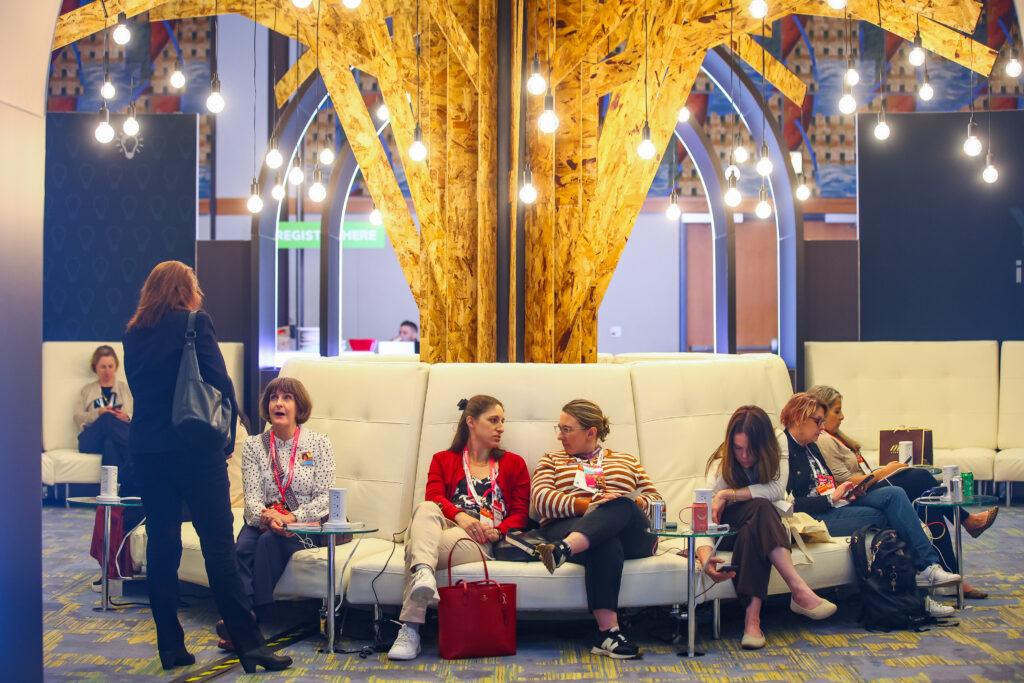
Learning doesn’t stop when a session ends. Short 1:1 conversations with exhibitors, spontaneous hallway exchanges, and peer problem-solving are where some of the most valuable insights emerge.
The ILatTRS experience:Learning was built into every corner of the event. The Freeman Café doubled as a Tech Partner Spotlight to connect with vendors and included an Inspiration Tree that was designed to invite reflection and conversation.
In the same space, The Innov8 Lab offered structured 1:1 strategy sessions with Freeman experts.
The expo floor tours also put attendees inside real-time exhibitor activations at The National Restaurant Show, viewed through the design principles from earlier education sessions.
These tours were also purposely designed to be inspiration for “The Floor is Yours: A Blueprint for Success” education session, where attendees designed their own show floors.
Aligned with the latest industry insights, Inside LIVE at The Restaurant Show gave attendees a learning experience that was practical, peer-connected, and built for today’s event professionals and how they absorb and apply new ideas.
Our latest Trends Report described how to design an experience built for impact, and ILatTRS delivered.
How Can I Create More Memorable Learning Experiences?
- How do you mix up your learning formats? Rotate between expert keynotes, small-group exchanges, hands-on labs, and floor tours. No single format works for every learner.
- How do I design for actionable takeaways?. Every session should include content that attendees can use, practical takeaways not just high-level concepts.
- Who should I bring to speak at sessions? Book experts, not celebrities. Build your speaker lineup around industry expertise and original research. Relevance drives engagement.
- What can I do to improve networking opportunities? Treat networking as a learning strategy. Peer-grouped discussions, small-group exchanges, and experience-matched activities set up environments primed for making new connections.
- What technology should I incorporate to support better learning? Tools like silent theatre systems, AI-powered key takeaways apps, and 1:1 strategy labs remove friction and extend learning beyond the meeting room.
- How much of the attendee journey should include education? Make the entire environment the classroom. Every space, from lounges to the expo floor to informal gathering areas, should be designed to spark thinking and conversation.
- What’s one way to grow my event’s attendance? Build for the next generation now. Millennials and Gen Z will dominate event audiences by 2030, so plan programming inclusive of emerging professionals.
Ready to design your event?