Why 84% of Attendees are On Board With Sponsored Learning
How to create non-commercial appeal with education programming
- What makes sponsored learning different from a pay-to-play pitch
- How attendee demand for sponsored content holds up, according to our latest Trends Report research
- Nine sponsored formats sponsored learning can take, mapped to how attendees say they want to learn
- Steps to protect trust and prove ROI once your sponsored sessions are live
Most sponsorships still run on the same format: general session, signage, forgettable swag. Same menu, different day.
But attendees learn everywhere, on the floor, in hallway conversations, from each other, not just from the stage.
Closing that gap is what Freeman’s Intelligent Innovation approach is built for: designing sponsorship around audience insight, not default habit. Skip that purpose, and audiences lose the relevance that keeps them coming back.
So what’s one way to break the mold and drive more value and ROI?
Sponsored Learning.

What makes sponsored learning OK
While sponsored learning and “pay-to-play” are often thought of as the same thing, they are actually different.
Sponsored learning is any educational content funded by a sponsor; it stays aligned with the set agenda and is useful to audiences. And as long as sponsored learning is disclosed ahead of time, audiences are still willing to attend.
Whereas sessions referred to as “pay-to-play,” happen when a sponsor buys stage time and the resulting education skews toward a pitch.
Why sponsored learning works lines up with modern adult learning theories and how people absorb information. Adults are self-directed and tune into content that connects to something they’re navigating in their day-to-day. Sponsored or not.
What attendees actually say about sponsored sessions
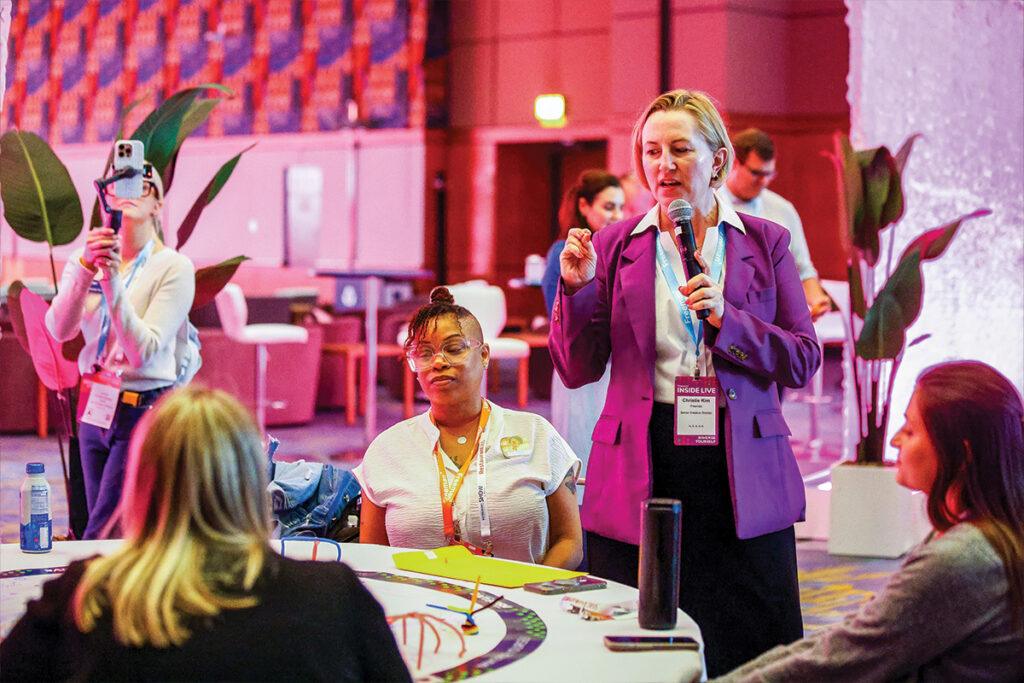
According to Freeman research, 84% of attendees are open to the format as long as it’s disclosed. And, sixty-six percent will attend a sponsored session regardless of sponsorship if the topic interests them.
When it comes to credibility, attendees are just as likely to attend an industry trends session led by an exhibitor’s own staff or expert as a session led by an independent influencer.
Attendees are also telling organizers where to point sponsorship dollars: They value subject matter expert access and hands-on demonstrations well above gamified activities like prize wheels or point systems.
This tells us that the demand for sponsored learning holds up. It’s just conditional on substance over spectacle.
Nine formats sponsored learning can take
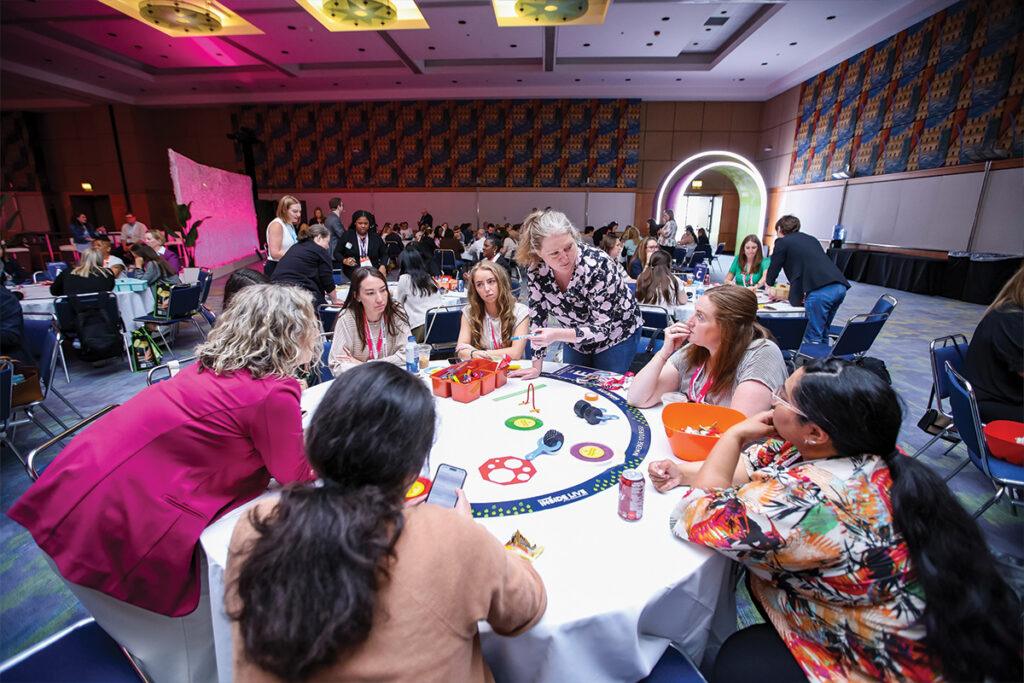
Based on Freeman’s strategy and insights research, each one is strategically designed around a specific way attendees said they want to learn:
- Masterclasses and invite-only roundtables trade exclusivity for a curated, higher-touch audience.
- Learning theaters and branded knowledge hubs bring short, looping sessions to the show floor itself.
- Sponsored sessions and speaker slots are traditional breakouts, funded by a sponsor but quality-gated like any other.
- Product theaters and structured demos let attendees self-select into a focused look at how something works.
- Sponsored keynotes and title-sponsor blocks trade brand association for underwriting a marquee moment.
- Lunch-and-learns and breakfast briefings pair a captive, relaxed audience with lighter, conversational content.
- Sponsored certifications and CE-credit programs carry a credential, which keeps the content rigor especially high.
- Sponsored digital content extends the sponsor’s reach into webinars, on-demand libraries, and in-app resources.
- Sponsored research or trend reports lend a sponsor’s name to data unveiled and discussed live at the show.

How to keep sponsored sessions from damaging trust
Turning your attendees’ openness for sponsored content into sponsorship inventory takes a bit of intentional structure. Follow these four steps:
- Vet sponsored content against the same standards as your unpaid programming
- Require two non-negotiables: disclosed sponsorship and a credible subject matter expert on stage, not a sales rep reading slides
- Label sponsored sessions clearly so trust in the rest of your program stays intact
- Connect teams that plan learning with those mapping the show floor for strategically placed, relevant content

How to measure and prove your sponsored learning is working
Track attendance, engagement, qualified leads, content downloads, and post-event sentiment. Then, package that reporting for sponsors to show ROI and keep them coming back. That’s what turns a short-term buy into a renewal and gives you the data to justify increased sponsorship value next year.
Intentionally planned, sponsored learning is what turns insight into inventory: a way to package what your attendees want, access to expertise, hands-on demonstrations, and credible content, into something sponsors can buy. AKA, revenue for you!
Dive deeper into how your audiences learn outside the session and the stats behind sponsored learning in our latest Freeman Learning Trends Report Part Two.