The Best Events Are Intentional
How data, tech, and design work together to keep attendees coming back. That’s the Freeman Intelligent Innovation approach.
Key Takeaways
- Relevance (what audiences need) is the single strongest driver of return attendance
- Multi-generational audiences means intentional planning and programming; i.e. incorporate audience data from the start
- The best event tech passes a three-part test. Does it: engage attendees? drive ROI? compile data?
- New venue scanning technology lets planners walk a space and solve challenges before move-in
The events people remember aren’t always the biggest or the most expensive. Memorable events are built differently. They start with key questions that inform planning and execution from the ground up. But inevitable pressures creep up: The venue needs a deposit, the keynote speaker has a conflict, the budget changes.
We get it. Our teams have produced events across every format, industry, and scale. Even under pressure, we’ve noticed a consistent pattern: The events that move audiences, drive decisions, and build communities are the ones where every choice traces back to something intentional.
Not instinctive. Not habitual. Intentional.
At Freeman, we approach every event, every project with Intelligent Innovation: applying ongoing audience research, data-informed design, and purposeful technology to make events perform.
Here’s what Freeman Intelligent Innovation approach looks like in practice:
1. Start with your audience, not your agenda.
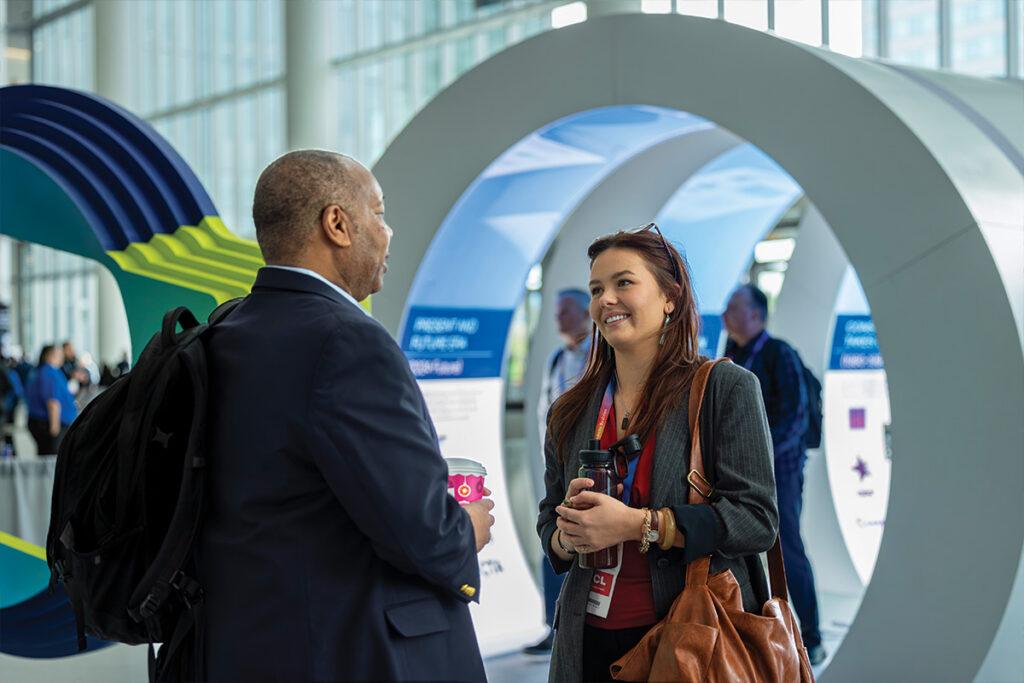
Most events begin with a venue, a budget, and a speaker lineup. The memorable ones begin with a deeper question: Who is actually coming, and what do they need to make this experience worth their time and investment?
According to the latest Freeman Trends Report, relevance is the strongest driver of attendance decisions. Stronger than networking, content quality, or location. Let’s dig deeper into what this means along with other insights from our research:
- Non-attendees, people who haven’t attended recent events (or attend and don’t return), cite these top factors when deciding to attend an event:
- Advanced education opportunities (79%)
- Hands-on learning (66%)
- It’s a complex question with simple math: Attendees return to an event when it feels built for them. If it doesn’t, they won’t be back.
- Four generations make up current event audiences, each with different needs and expectations for how they want to learn, connect, and engage.
- Designing for one group often means designing against another — unless updated audience intelligence is in the brief from the start. With that data, you’ll be better equipped to offer tailored options.
Our ongoing research isn’t designed to sit in a report. It feeds directly into how we plan and design events, so every recommendation is grounded in what moves audiences, not just what pops on a mood board.
Be intentional:
Before your next event, ask two questions:
- What does success look like for our attendees? What about exhibitors?
- What would make them want to return — and tell others about it?
Then build your programming (and exhibitor/sponsor offerings) from there. You may be surprised how many ‘must-haves’ fall away.
2. Let tech provide real benefits over fleeting flash.
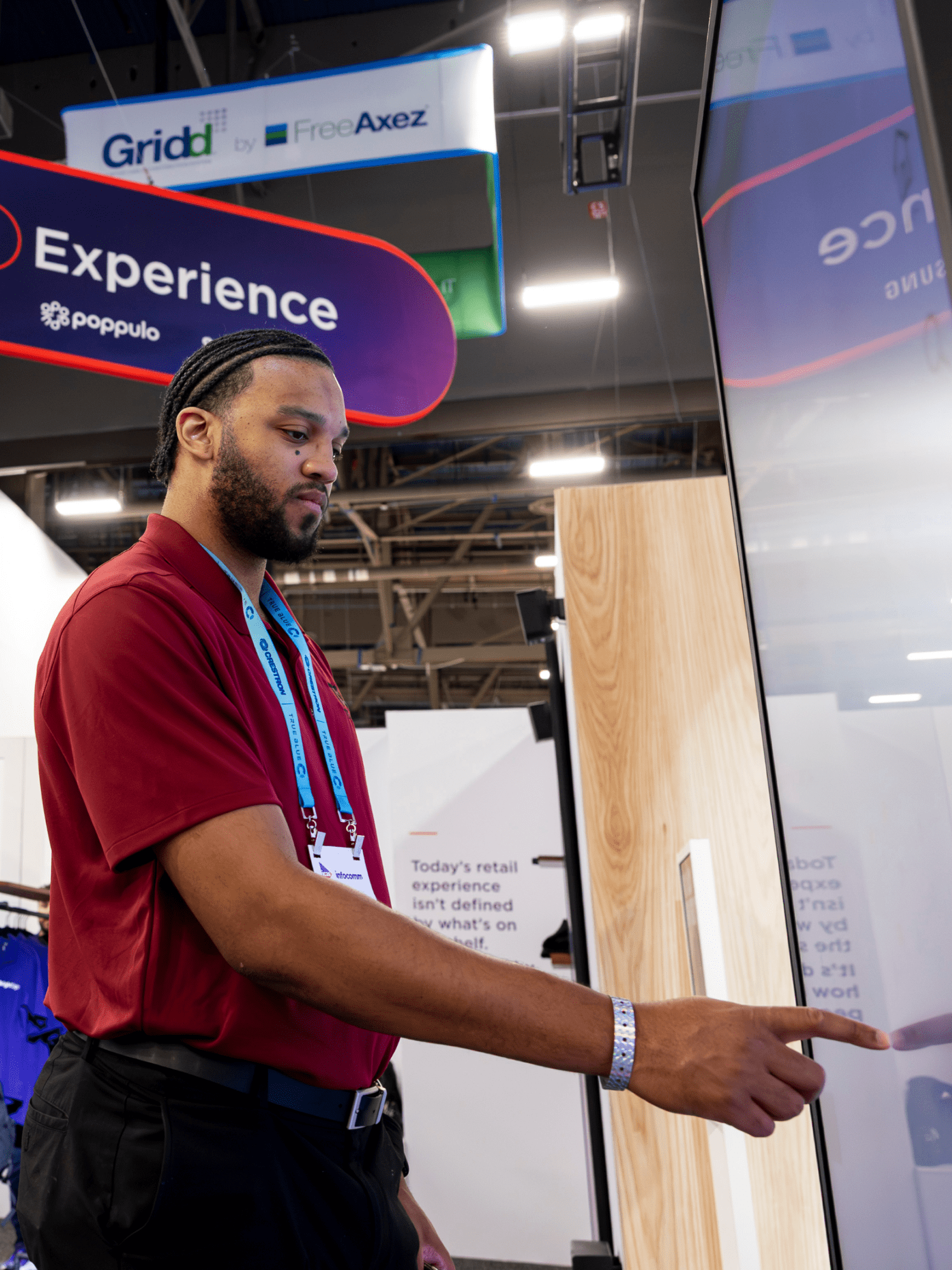
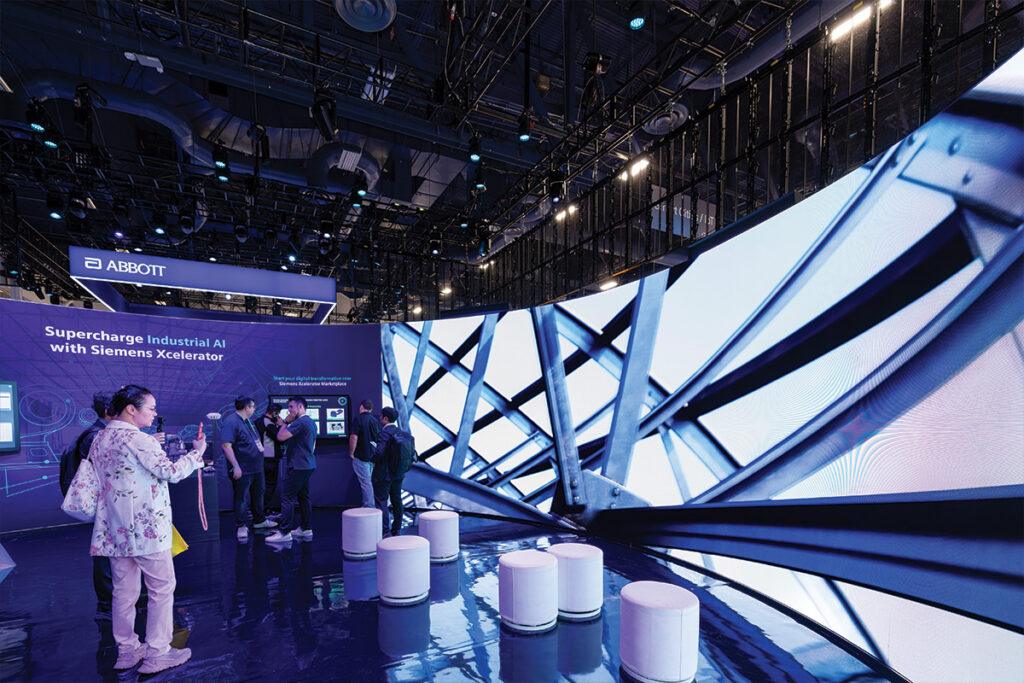
New event tech options keep coming. There are tools to help you plan and tools to create audience engagement. The events that use tech effectively aren’t necessarily the most tech-savvy. They’re the ones that prioritize what matters. We help customers explore options and ask questions that prioritize the outcome: Instead of getting pulled into What’s new?, reframe to Which tools fit my show and could elevate the overall experience?
The right planning tech helps you decide something faster, earlier, and with more confidence than you could without it. Engagement tools build deeper connections with your audiences, including exhibitors and sponsors.
This is why our innovation team does the R&D to build tools designed around how events actually work. That means better collaboration and faster delivery.
Take Freeman Blue Echo, for example. This AI-enabled tool transforms real convention centers into photorealistic, navigable 3D environments, allowing customers to visualize their event and explore the attendee journey before anyone arrives on-site. That means better decisions earlier, and fewer surprises.
That’s the standard any planning tech should meet: helping you do something you couldn’t do before, faster and with more confidence.
Be intentional:
We recommend this quick, 3-question test for evaluating event tech:
- Does it engage attendees, drive ROI, and capture usable data that can improve future experiences?
- If it checks all three, it earns a place in the program.
- If it only checks one, ask harder questions before committing.
3. Design the experience, not just the backdrop.
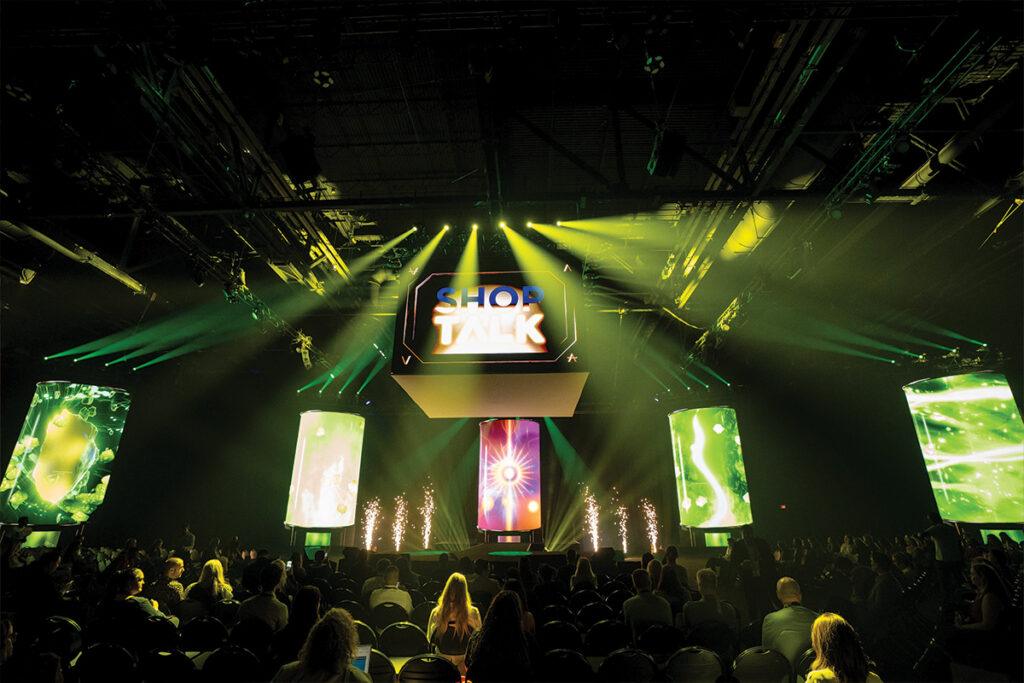
The temptation in event design is to optimize for first impressions: the stage that looks stunning, the elaborate installation that photographs beautifully. Those things matter. But the environments people remember aren’t the ones that looked the best. They’re the ones that felt inevitable, like the space was built specifically for what happened inside it.
“The best design work never feels like design. It feels like the space was always supposed to be that way.”
Greg Brown, SVP of Creative, Freeman
- Every design element should earn its place by improving what attendees feel, do, and remember, not just how it looks in the recap video.
- The most effective environments start with audience intelligence, not aesthetics: what behavior do we want to encourage? Where do we want people to linger, connect, or pay attention?
- The design work that gets recognized in the industry does more than just appeal visually; it helps deliver successful outcomes.
Be intentional:
In your next design review, ask one question for every session or activity:
How does this enhance the attendee experience?
Eye candy has its place. But the design decisions that actually move audiences, and make events worth returning to, are the ones that combine intention and strategy.
Intentional = Memorable.
The best events don’t happen because of a bigger budget. They happen because someone asked better questions from the start.
This is why Intelligent Innovation works: When insights and data, purposeful technology, and intentional design work together, you’re not just producing an event. You’re building a community and an experience people can’t wait to join again and again.
See what Intelligent Innovation can do for you.